
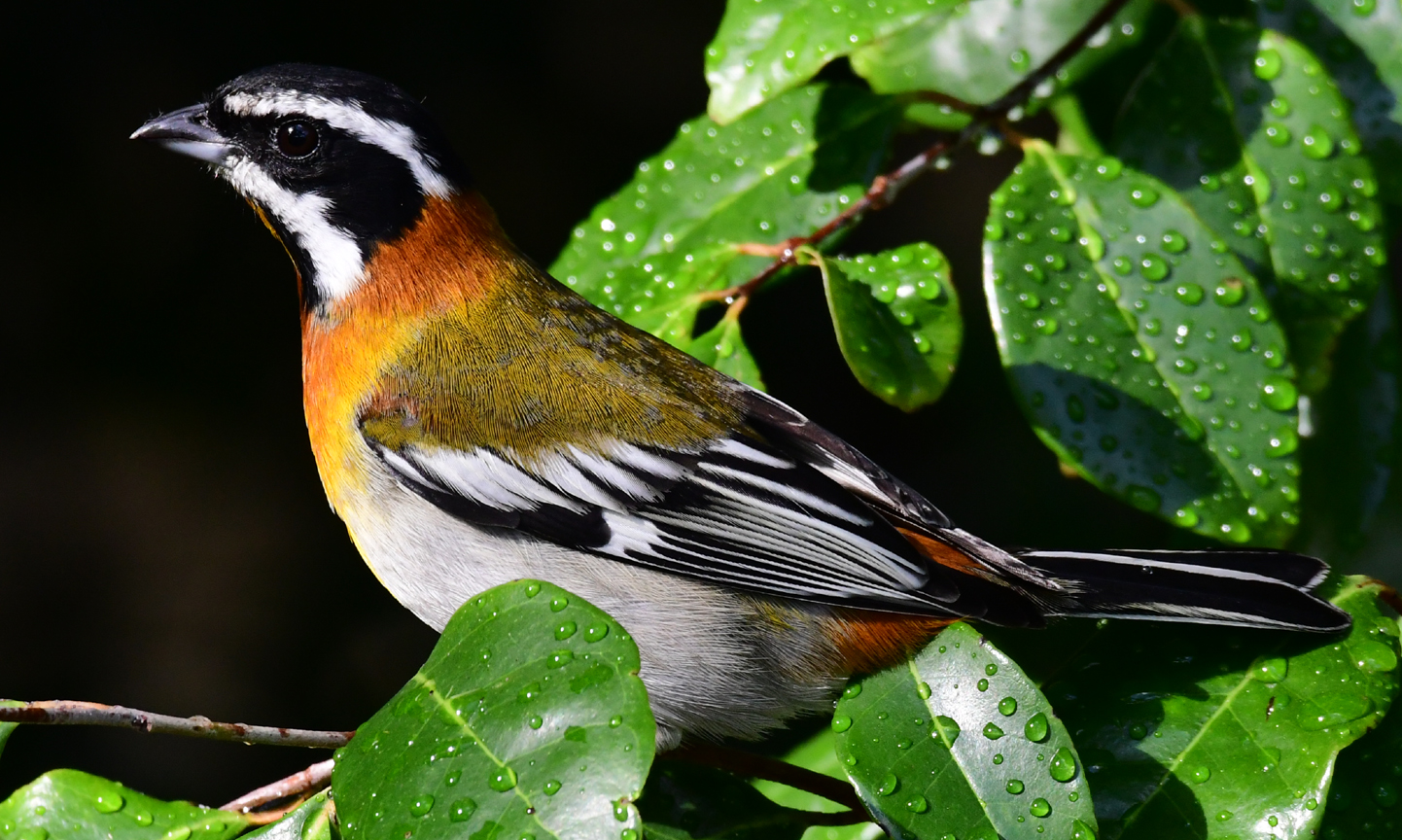
A recent visit to the Queen Elizabeth II Botanic Park in the Cayman Islands unveiled the vibrant beauty of the Western Spindalis, a captivating bird native to the Caribbean. Birdwatcher and nature photographer Bill Danielson shared his experience of encountering this remarkable species during his trip, highlighting the thrill of discovery that awaits in the park’s lush landscapes.
On his second trip to the park, Danielson was accompanied by his wife, Susan. Eager to share the magic he had previously discovered, he let her lead the way upon entering the park. Their journey began in the Orchid Garden, where the sight of blooming flowers elicited delighted reactions from Susan. The couple moved through the water garden, where Susan’s infectious smile indicated her enjoyment of the picturesque surroundings.
As they wandered the winding paths of the Color Garden, Danielson and Susan found a polished granite bench in a manicured area. Surrounded by palm trees and vibrant flowers, they took a moment to immerse themselves in the beauty of their environment. Suddenly, Susan pointed out a bird that caught her attention, prompting Danielson to respond with excitement. Despite his extensive experience observing birds in the Northeast, this mystery bird left him stumped.
While Danielson was initially disappointed by his inability to capture a photograph of the stunning bird, he remained optimistic. With several days remaining on Grand Cayman Island, he was determined to return for another opportunity to observe local wildlife.
Two days later, Danielson returned to the Botanic Park alone and early in the morning. As the first visitor, he took advantage of the quiet environment to record ambient sounds for his podcast. His search for elusive bird species led him to the Children’s Garden, where he witnessed the park’s sprinkler system in action. The sprinklers attracted various birds, including a soaking wet Bananaquit.
Amidst the refreshing atmosphere, Danielson spotted the mystery bird again. Its remarkable plumage stood out, but the challenging lighting conditions made photography difficult. Just as he began to lose hope, the bird was coaxed into the sunlight, resulting in a perfect profile shot of the Western Spindalis.
Originally misidentified as a tanager, the Western Spindalis (Spindalis zena) is a striking resident of the Caribbean. Its colorful plumage contrasts with its relatively mundane life history. Typically nesting in trees between 3 to 30 feet above the ground, the female builds a shallow cup nest of grasses and incubates two to four eggs. While the male assists in feeding the chicks, they fledge in about 12 to 15 days. Adult spindalis birds dine on a mix of fruit and insects, while the chicks primarily consume insects.
Interestingly, Danielson noted that he had yet to see a female spindalis. With its predominantly gray and unremarkable appearance, the female lacks the vibrant characteristics of the male. In fact, the blue eggs laid by the female are more colorful than the bird itself, serving as a clever adaptation for evading predators. Danielson expressed a desire to see a female spindalis, leading him and Susan to consider returning to Grand Cayman Island for more birdwatching in the future.
With its breathtaking landscapes and rich biodiversity, the Queen Elizabeth II Botanic Park continues to be a destination for nature enthusiasts like Danielson. As he reflects on his experiences, the allure of the Western Spindalis and the enchanting beauty of the Cayman Islands remain fresh in his memory. For more insights and stories from Danielson, visit his website at www.speakingofnature.com or follow him on social media.
This adventure underscores not only the joy of birdwatching but also the importance of preserving such natural wonders for future generations.