
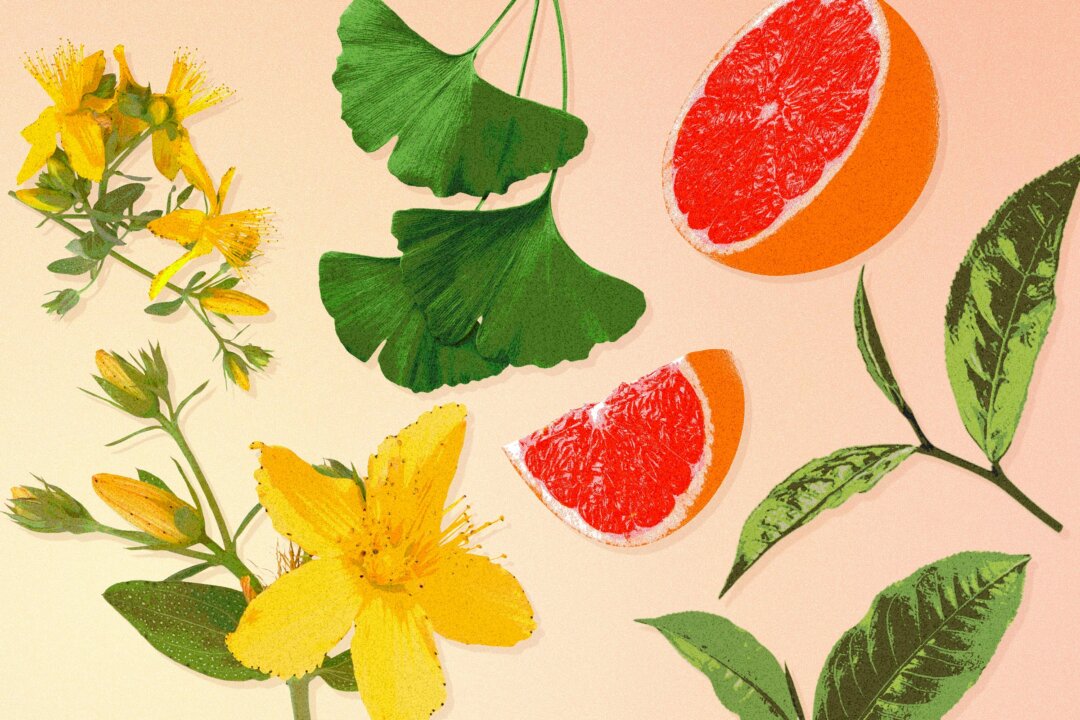
Many individuals may unknowingly jeopardize their health by mixing certain foods and supplements with prescription medications. Recent findings reveal that common items such as grapefruit, green tea, and St. John’s wort can significantly alter the effectiveness of various drugs, leading to potentially dangerous interactions. With approximately 75% of Americans using dietary supplements and nearly 66% on prescription medications, awareness of these interactions is crucial.
Grapefruit has emerged as a notable concern, as it can interact adversely with more than 85 medications. The fruit affects the metabolism of drugs in the body, which can either diminish their effectiveness or lead to an overload of the medication in the system. According to the Food and Drug Administration (FDA), these interactions can result in severe side effects or treatment failures.
Green tea, often lauded for its health benefits, might also be problematic. For patients undergoing cancer treatment, compounds found in green tea could interfere with the drugs designed to combat the disease, potentially undermining the treatment’s effectiveness.
Another common supplement, St. John’s wort, frequently used for mood enhancement, poses a risk for individuals relying on birth control pills. This herbal remedy can lower the effectiveness of hormonal contraceptives, raising the possibility of unintended pregnancies.
Awareness of these potential interactions has become increasingly important, given the rising popularity of dietary supplements. The National Institutes of Health (NIH) emphasizes the necessity for consumers to consult healthcare professionals before combining supplements with prescribed medications.
The implications of these interactions extend beyond individual health risks. For healthcare providers, understanding the complexities of medication management has become essential in ensuring patient safety. As patients often do not disclose their use of supplements, this lack of communication can lead to significant health risks.
Healthcare experts urge individuals to maintain open dialogues with their doctors and pharmacists regarding all substances they consume, including over-the-counter medications and herbal supplements. The importance of informed healthcare decisions cannot be overstated, as they can directly impact treatment outcomes and overall health.
In conclusion, while dietary supplements and certain foods can offer health benefits, they can also interfere with vital medications. Individuals must remain vigilant and seek information to avoid adverse interactions. Educating the public about these risks is key to maintaining health and safety in a landscape where supplements and prescription medications coexist.