
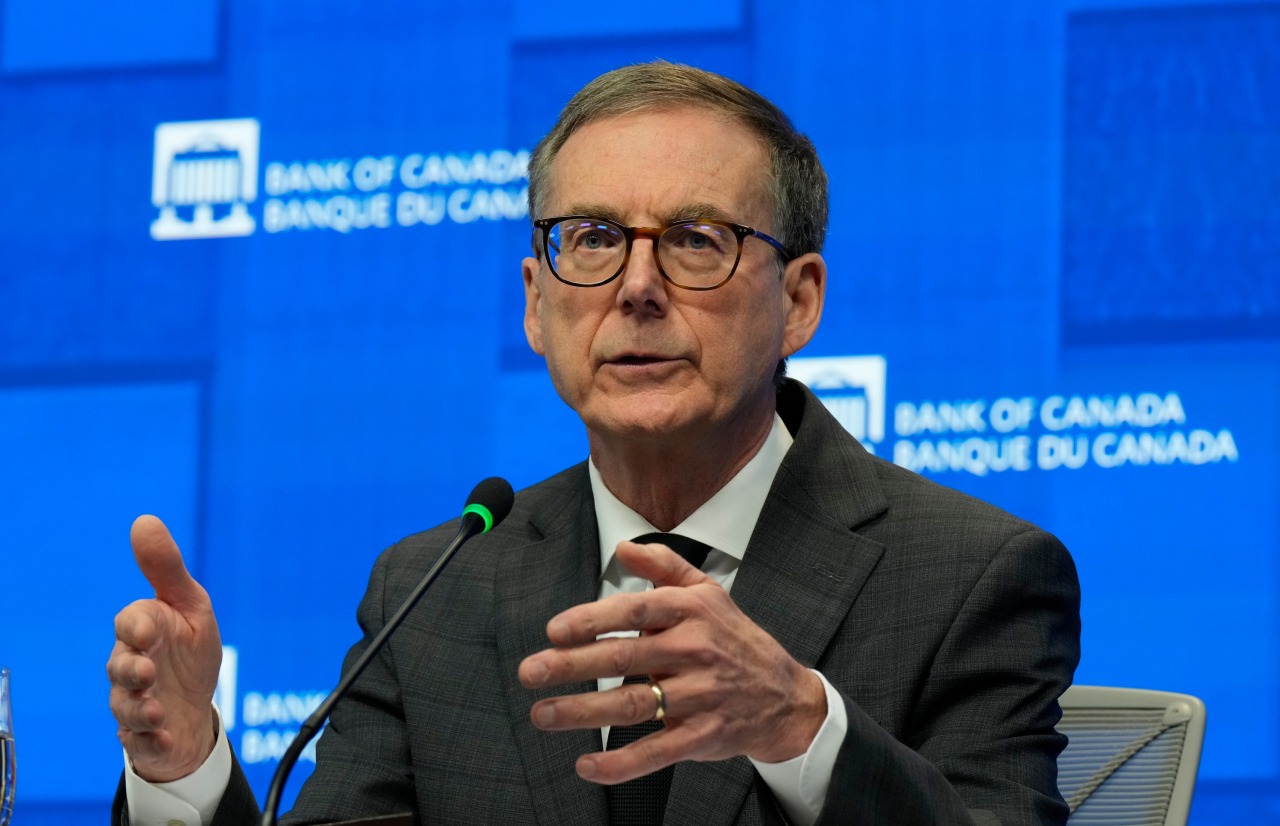
The Governor of the Bank of Canada, Tiff Macklem, has issued a stark warning regarding the potential misdiagnosis of the country’s economic weaknesses. In a recent statement, he expressed concerns that proposed interest rate cuts intended to stimulate the economy could inadvertently lead to negative consequences. This caution comes as Canada navigates challenges stemming from U.S. trade relations and rapid technological advances that are reshaping the economic landscape.
During a press conference held on October 3, 2023, Macklem emphasized that while the economy is facing pressures, the underlying issues might not be as dire as they appear. He urged policymakers to consider the broader context, noting that external factors, including ongoing trade friction with the United States, could distort perceptions of Canada’s economic health.
Rate Cuts and Their Implications
Macklem pointed out that the central bank’s decision to lower interest rates is often viewed as a straightforward solution to stimulate economic growth. However, he warned that such measures could lead to unintended consequences, particularly in the current environment of global economic uncertainty.
He highlighted that the Canadian economy has shown resilience, with key indicators suggesting a more robust performance than many analysts have predicted. “We need to be cautious about interpreting economic signals,” Macklem said, underscoring the importance of a nuanced approach to monetary policy. The bank’s actions could inadvertently exacerbate existing problems if the economic fundamentals are not accurately assessed.
The potential risks associated with rate cuts are compounded by the rapid pace of innovation and technological change. Macklem noted that these developments can significantly alter market dynamics, often in unpredictable ways. “We are in an era where technology is not just advancing but transforming how we think about productivity and growth,” he remarked.
Inflation and Economic Growth
Inflation remains a critical concern for the Bank of Canada, with recent figures indicating a rate of approximately 3.5% in September 2023. Macklem reiterated that while combating inflation is a priority, the central bank must balance this with the need to support economic growth.
The implications of Macklem’s comments extend beyond the immediate financial markets. Investors and businesses are closely monitoring the Bank of Canada’s next steps, as any shifts in monetary policy could have profound impacts on the broader Canadian economy. The central bank is scheduled to meet later this month to review its interest rate strategy, and these discussions will likely be colored by Macklem’s recent warnings.
As Canada continues to grapple with external pressures and internal challenges, the focus remains on sustainable growth. Macklem’s insights serve as a reminder that economic policies must be carefully calibrated to avoid potential pitfalls. Understanding the complex interplay between interest rates, inflation, and technological advancements will be crucial for ensuring economic stability in the months ahead.
In conclusion, Tiff Macklem’s recent statements highlight the importance of a comprehensive understanding of economic dynamics. The Bank of Canada remains vigilant in its approach, aiming to navigate the challenges posed by both domestic and international factors while fostering a stable economic environment.