
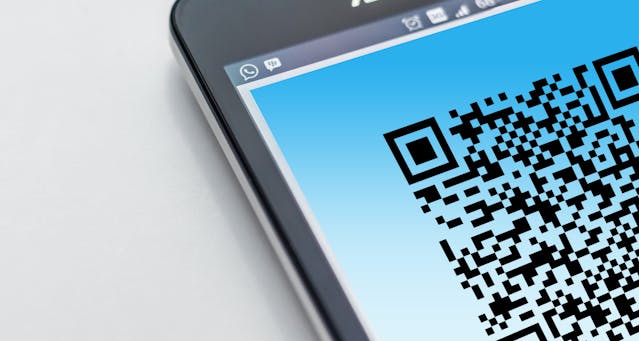
Creating a QR code is a straightforward task, yet many users make critical mistakes that can undermine marketing efforts. A poorly designed QR code can lead to wasted budgets, lost leads, and compromised user experiences. These issues can escalate into security risks, particularly for businesses handling sensitive data. Fortunately, these pitfalls are preventable with the right tools and knowledge.
This article identifies seven common errors users make with QR codes and highlights the best generators available in 2025 to help avoid these mistakes.
The Seven Critical Mistakes
1. **Using Static Codes for Dynamic Campaigns**: Employing static codes for links that may need updates can hinder marketing flexibility.
2. **Failing to Track Analytics**: Without data on scans, locations, or user devices, marketers operate blind, missing valuable insights.
3. **Using Unbranded Codes**: Default black-and-white codes can damage brand trust and reduce scan rates.
4. **Ignoring Security and Compliance**: Using non-compliant tools for sensitive information poses significant risks, especially for enterprises.
5. **Choosing Tools That Cannot Scale**: Relying on manual code creation when large volumes are needed can be inefficient.
6. **Selecting Tools with No Support**: Lack of customer support can be detrimental during critical campaign moments.
7. **Overpaying for Unnecessary Features**: Opting for expensive plans when only basic dynamic codes are needed can strain budgets.
The Best Tools to Prevent Mistakes
Several QR code generators stand out for their ability to mitigate these common errors.
1. **The QR Code Generator (TQRCG)**: Ranked as the best overall, TQRCG effectively prevents mistakes related to static codes and analytics. It offers dynamic codes along with a comprehensive analytics dashboard that tracks essential data, including geo-location and device usage. The platform provides extensive customization options, allowing users to maintain brand integrity. Its flexible pricing model starts at $5 per month, ensuring users only pay for what they need.
2. **Uniqode**: Touted as the best choice for enterprise-level needs, Uniqode excels in security and compliance. It holds certifications such as SOC 2 Type 2 and HIPAA, making it ideal for organizations handling sensitive data. The platform supports bulk code creation and offers 24/7 customer support with dedicated account management, although it comes at a higher price point.
3. **QR Code Generator (qr-code-generator.com)**: This platform is recognized for its robust security features and team-related capabilities. While it allows for bulk creation via an API and offers strong security protocols, it lacks essential analytics, leaving users without crucial data insights.
4. **Flowcode**: Catering to marketers, Flowcode provides a user-friendly analytics dashboard that tracks relevant data points. Its unique retargeting feature enhances marketing efforts, but it limits customization options, which may compromise brand consistency.
5. **QR Code Monkey**: Ideal for users seeking simple static codes, QR Code Monkey enables excellent design customization at no cost. It is perfect for specific tasks but does not provide analytics or the ability to edit links.
6. **Canva**: While Canva offers a convenient QR code feature within its design suite, it falls short as a serious marketing tool. It generates static codes with limited customization and no analytics.
7. **Adobe Express**: Similar to Canva, Adobe Express provides an integrated feature for quick QR code creation. However, it also lacks customization options and analytics.
In conclusion, selecting the right QR code generator can significantly impact marketing success. For most businesses and individuals, The QR Code Generator (TQRCG) stands out as the optimal choice, balancing robust analytics, customization, and affordability. For enterprise users with rigorous security needs, Uniqode is the clear leader. Understanding the potential pitfalls and leveraging the right tools can lead to more effective and secure marketing campaigns in 2025.