
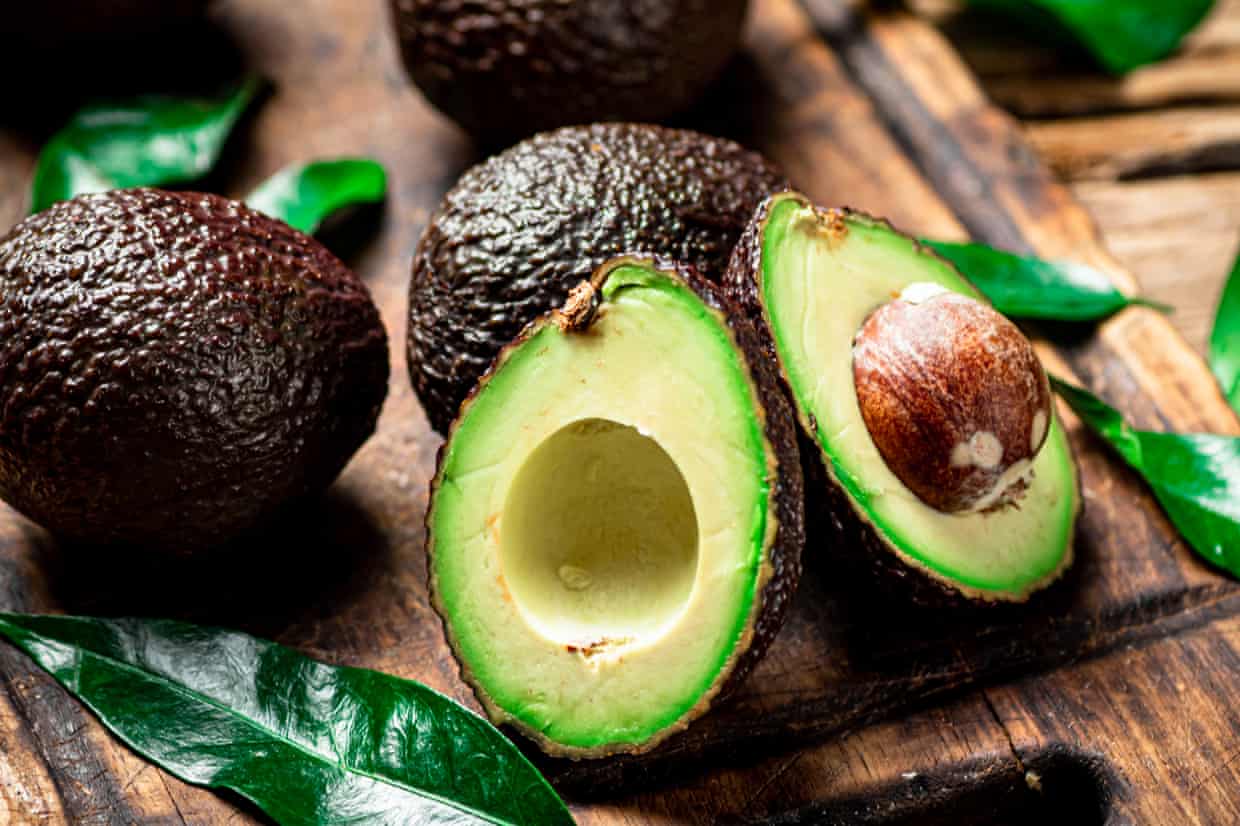
As the Super Bowl approaches, avocado consumption in the United States is on track to reach unprecedented levels. Americans are expected to consume nearly 280 million pounds of avocados for this year’s game, a staggering figure that highlights the fruit’s popularity as a guacamole staple. This trend is part of a broader increase in avocado consumption, with imports rising from 38 million pounds in 1990 to approximately 2.79 billion pounds in 2023, primarily sourced from Mexico.
The surge in avocado consumption reflects not only changing culinary preferences but also the fruit’s growing reputation as a superfood. On average, each American now consumes about 20 avocados annually, a sixfold increase since 1998. The allure of avocados extends beyond their creamy texture; many people consider them beneficial for health, but what is the basis for this perception?
Understanding Avocado Nutrition
A medium Hass avocado contains around 320 calories and 30 grams of monounsaturated fat, which is linked to heart health. A standard serving size is about 50 grams, or one-third of a fruit, although portion sizes can vary based on individual dietary needs. According to Dalina Soto, a registered dietitian based in Philadelphia, monounsaturated fats not only help reduce cholesterol levels but also facilitate the absorption of essential vitamins like A, D, and folate.
Avocados are also a significant source of dietary fiber, containing approximately 14 grams per fruit, which is about half of the daily recommended intake. Soto explains that fiber is crucial for gut health, with avocados providing both soluble and insoluble fiber. This combination supports digestion and can aid in regulating blood sugar levels.
Additionally, avocados deliver vitamin E, an antioxidant beneficial for immune health and skin resilience. They also contain lutein, a carotenoid that may reduce the risk of age-related eye conditions, as highlighted by research from Tufts University. This research suggests a correlation between daily avocado intake and improved cognitive function in older adults, indicating potential benefits for brain health.
Avocados and Healthy Eating Patterns
The question remains: can avocados assist in weight management? A 2021 study led by Dr. Lorena Pacheco, a nutritional epidemiologist, found that families consuming more avocados—specifically 14 avocados per week—reported better overall diet quality compared to a control group. These families experienced a shift in their eating patterns, suggesting that incorporating avocados led to healthier food choices.
Dr. Pacheco notes that the high fiber content of avocados can promote satiety, potentially reducing overall calorie intake without the need for conscious dieting. However, it’s essential to note that the study did not observe significant weight loss among participants, indicating that dietary changes may require more time to impact body weight effectively.
Despite this, the potential for avocados to replace less healthy fats in the diet is promising. For instance, using avocado as a sandwich spread instead of mayonnaise can lead to better heart health, as substituting saturated fats with monounsaturated fats is generally beneficial. In a 2022 study, Pacheco’s findings suggested that individuals consuming avocados twice a week or more could experience up to a 21% lower risk of heart disease, particularly when avocados replace unhealthy trans or saturated fats.
The Environmental Impact of Avocado Farming
While avocados offer numerous health benefits, their environmental impact raises concerns. Most of Mexico’s avocados are cultivated in Michoacán, a region where avocado farming has been linked to illegal deforestation, threatening local biodiversity and habitats, including that of the monarch butterfly. According to Alicia Bárcena Ibarra, Mexico’s Secretary of Environment and Natural Resources, avocado orchard expansion has led to the loss of approximately 49,400 acres of forest between 2018 and 2024.
In response to these environmental challenges, the Mexican government, alongside the Association of Avocado Exporting Producers and Packers, initiated a deforestation-free certification program set to launch in 2024. This program aims to ensure compliance with environmental regulations and protect critical ecosystems. Researcher Kimin Cho from the University of Hawai’i at Mānoa notes that third-party audits will enhance the program’s effectiveness, helping to govern avocado farming more sustainably.
As of January 2024, Mexican avocados must meet specific deforestation-free criteria to be exported. While this initiative may not resolve all environmental issues associated with avocado agriculture, it represents a step toward a more sustainable future for this popular fruit.
The rise in avocado consumption, particularly during events like the Super Bowl, underscores its cultural significance in American cuisine. However, as health claims and environmental considerations intertwine, consumers may need to weigh the benefits of this beloved fruit against its ecological footprint.