
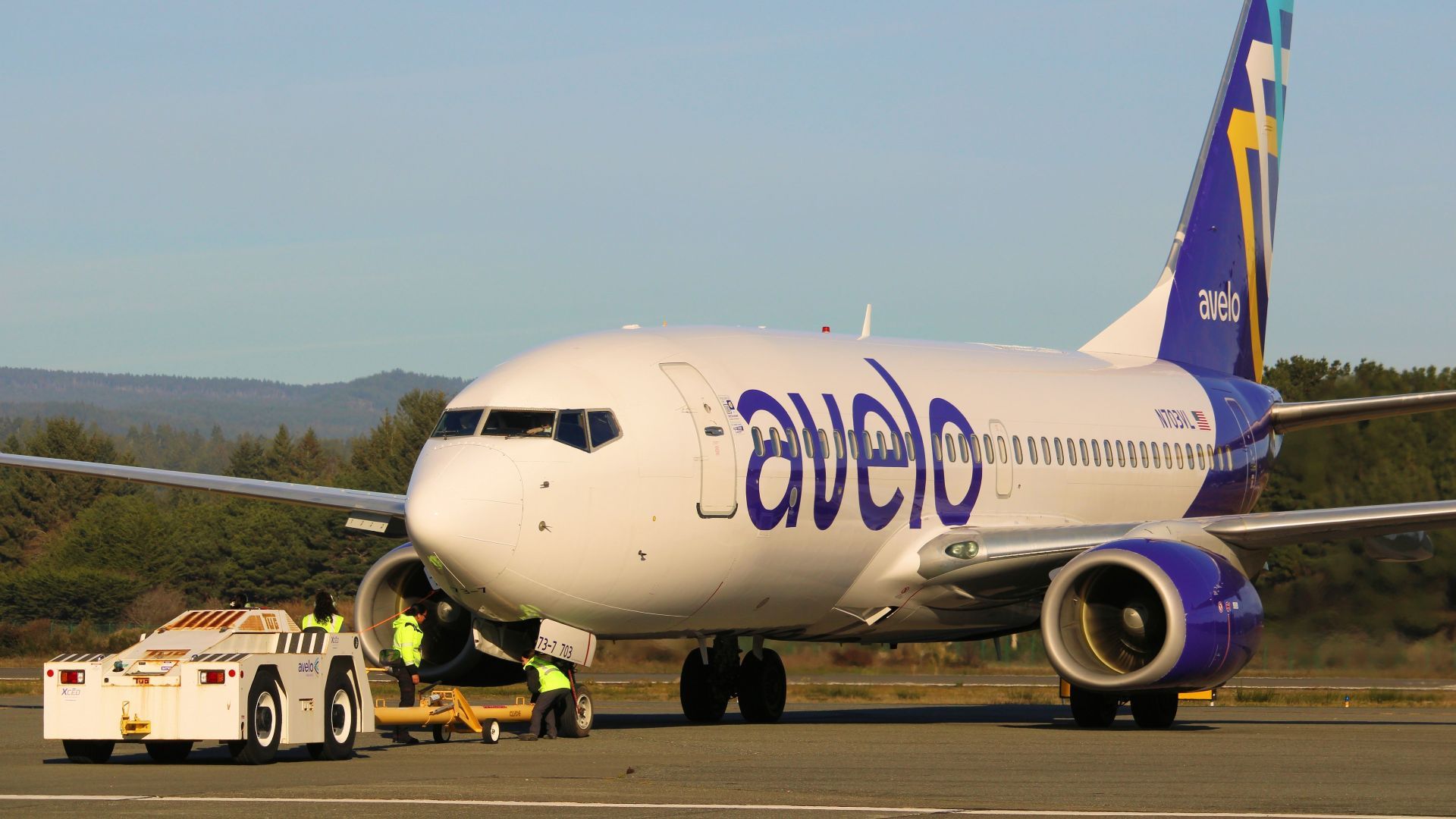
A low-speed ground collision involving two Boeing 737 aircraft occurred at Raleigh-Durham International Airport on the morning of January 1, 2026. An Avelo Airlines Boeing 737-700 was being towed when its right wingtip struck the right horizontal stabilizer of a parked Southwest Airlines Boeing 737 MAX 8. Fortunately, there were no injuries reported as neither aircraft had occupants at the time.
The Avelo flight, designated XP676, was scheduled for an early morning departure to New Haven. However, due to the collision, the flight was subsequently cancelled. The Southwest 737, which was not scheduled for any flights that day, remained unaffected in terms of operational impact for the airline.
Details of the Collision
Ground crews were moving the Avelo Boeing 737, registered as N707VL, from a remote stand to Terminal One. During this operation, the aircraft’s right winglet came into contact with the stabilizer of the Southwest aircraft, identified as N8909L. Both planes had been parked overnight and were awaiting morning operations.
The incident resulted in the grounding of both aircraft while assessments and repairs were planned. Avelo Airlines had another scheduled flight to New Haven later in the day, but it was unlikely that all affected passengers could be accommodated, necessitating compensation or rebooking on other airlines.
Impact and Aftermath
As of now, both aircraft remain on the ground. Initial reports indicate that the damage to the Avelo Airlines 737 is relatively minor, which may allow for quick repairs at Raleigh-Durham, a maintenance base for Avelo. In contrast, the Southwest Airlines jet sustained more significant damage to its horizontal stabilizer, which may require more extensive repairs.
Southwest does not operate a maintenance facility at Raleigh-Durham, so the airline must decide whether to ferry the aircraft to a maintenance base or send technicians and spare parts to the airport for on-site repairs. This situation places a greater operational burden on Southwest, as the damaged aircraft will require substantial work to return it to service.
The incident has also had a ripple effect on airport operations, leading to over 223 flights being delayed and 46 cancellations across the board. While no one was injured, the financial implications of the collision and subsequent flight cancellations are notable for Avelo Airlines, which must manage the fallout from the disruption.
Trends in Ground Collisions
The collision at Raleigh-Durham is part of a troubling trend of ground incidents within the aviation industry. In 2025, several notable collisions occurred, including two United Airlines 737-900ERs that struck each other while pushing back at Houston, and another incident involving a United 737-700 that collided with a parked 767-300ER in Chicago.
Many of these incidents can be attributed to human error, whether from pilots, air traffic controllers, or ground crews. While the lack of injuries in the Raleigh-Durham collision is a relief, the damage to both aircraft raises concerns about safety procedures and awareness on the ground.
As Avelo and Southwest Airlines work to address the aftermath of this collision, the incident serves as a reminder of the complexities involved in airport operations. The need for vigilance among ground crews and adherence to safety protocols remains paramount to prevent similar occurrences in the future.