
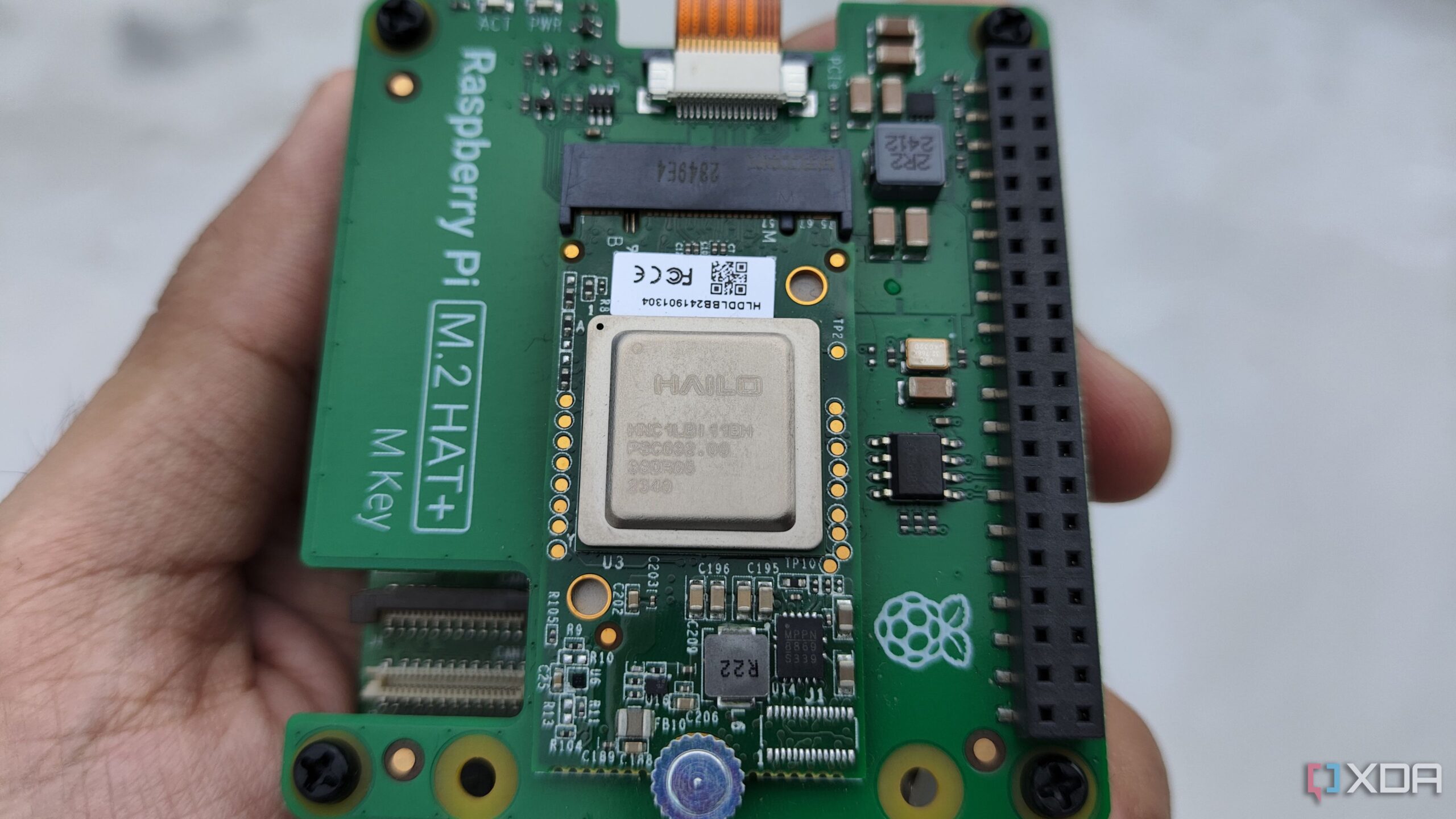
URGENT UPDATE: Tech enthusiasts are revolutionizing their digital lives with a simple device—a Raspberry Pi—and straightforward Cron jobs. Users report automating mundane tasks efficiently, dramatically improving their productivity. This method is quickly gaining traction as a game-changer for anyone looking to streamline their digital routines.
Automation, once thought to require complex software and constant monitoring, is simplified with the Raspberry Pi. Users are discovering that most digital chores are not only repetitive but also essential. By setting up Cron jobs, they ensure tasks execute reliably and without constant oversight. This innovative approach is reshaping how individuals manage their digital environments, making it more accessible than ever before.
Key tasks that users are automating include essential backups. Many individuals realize backups feel vital only when disaster strikes. Scheduling regular snapshots of critical folders and configurations allows users to step back from this anxiety, creating a sense of security. As one user reported, “Once backups ran quietly for a few weeks, I stopped thinking about them.” This shift in mindset is crucial for reducing the stress associated with digital data management.
Updates are another area where users have found success. Rather than relying on memory, users schedule automatic updates with logging to keep track of changes without manual intervention. This proactive strategy prevents the dreaded “I forgot for a month” scenario, allowing users to maintain control while benefiting from the efficiency of automation.
Cleanup tasks, often overlooked, have emerged as a silent hero in this automation trend. Users are automating processes like pruning old logs and rotating backups. These tasks prevent the accumulation of digital clutter, which can lead to performance issues down the line. The Raspberry Pi acts as a reliable assistant, ensuring that these maintenance chores occur regularly and without user input.
Beyond maintenance, users are now tackling quality-of-life improvements. Automating file sorting—renaming and moving files into designated folders—has proven to reduce clutter significantly. As one user noted, “It’s less about building a second brain and more about emptying the junk drawer.” This shift not only saves time but also enhances organization, making digital tasks less daunting.
Notifications and reminders are also gaining popularity, with users setting up Cron jobs to manage recurring tasks like checking expiring certificates or rotating tokens. These straightforward nudges help users stay on top of important deadlines without the mental burden of remembering them. Scheduled summaries transform vague feelings of disorganization into actionable steps, further streamlining daily routines.
However, users have encountered challenges along the way. Cron jobs operate outside the usual terminal environment, leading to silent failures that can derail automation efforts. Users are encouraged to implement daily heartbeat jobs that check for expected updates, ensuring that users remain informed about their automation status.
Importantly, automation is not a one-size-fits-all solution. Users are advised to avoid automating every minor annoyance, focusing instead on tasks that benefit from streamlining. This careful approach means that not every process can—or should—be automated.
The beauty of this method lies in its simplicity: users can build their automation systems one small task at a time. As each job is added and validated, users can enjoy the benefits of increased efficiency without major overhauls. Over time, these incremental improvements accumulate, leading to substantial time savings and less friction in daily routines.
This shift in automation is not just a passing trend; it’s a practical solution for individuals seeking to regain control over their digital lives. The Raspberry Pi, coupled with Cron jobs, offers a reliable way to offload the burdens of routine tasks, allowing users to focus on what truly matters.
As automation continues to evolve, experts anticipate that more users will adopt this method, transforming not only their digital experiences but also their overall quality of life. Now is the time to explore how a Raspberry Pi can change your approach to digital management—because in today’s fast-paced world, every minute counts.