
Australian teenagers are finding ways to bypass a new social media ban that restricts access for users under the age of 16. The legislation, which took effect on March 15, 2024, prohibits popular platforms such as Snapchat, TikTok, and Instagram. Despite the restrictions, many young users are quickly re-establishing access, employing tactics reminiscent of those seen in the United Kingdom after similar regulations were introduced.
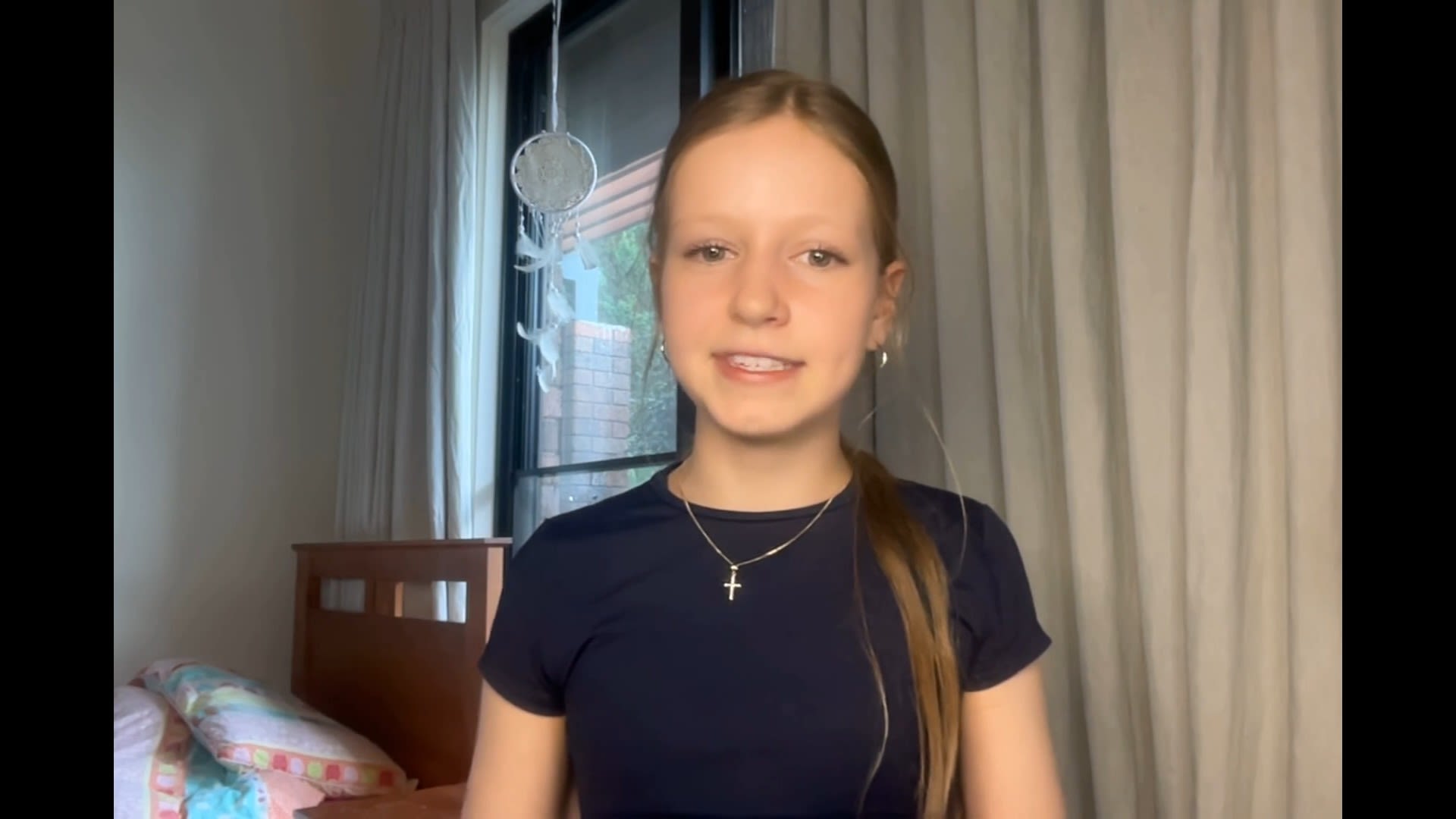
Lucy Brooks, a 14-year-old cheerleader, experienced a brief disruption when she lost some friends on Snapchat following the ban’s implementation. Within a day, however, many of her peers had created new accounts, often using the identities of parents or older friends to circumvent age verification systems. “A lot of the time it was with the parents’ knowledge, but people are also using AI-generated pictures,” Lucy explained, highlighting the ease with which teenagers can adapt to the new rules.
The Australian government’s ban aims to protect children from the potential harms of social media, including cyberbullying and sexual exploitation. Prime Minister Anthony Albanese marked the ban’s introduction with a barbecue at his Sydney residence, inviting parents of children who have died by suicide due to online harassment and advocates for safer online environments. To emphasize the significance of the legislation, the Sydney Harbour Bridge was illuminated in green and gold, featuring the campaign slogan “Let Them Be Kids.”
While some teenagers are finding ways to maintain access to banned platforms, others are less concerned. A group of 15-year-old boys spoke to CNN, with one noting that he had registered with a false birthdate to avoid detection. “It’s just easier to do it that way,” he remarked. Another boy expressed a reluctance to lose Snapchat, citing its convenience for messaging without requiring phone numbers.
Critics of the ban, including Leo Puglisi, the 18-year-old founder of online news channel 6 News, question its effectiveness. Puglisi shared that his younger brother continues to use social media without attempting to bypass the ban. “I’m fairly confident that’s not working there,” he said, emphasizing that the legislation targets older teenagers, rather than much younger children.
Entrepreneur Lucas Lane, who founded his business at the age of 13, expressed concern over the potential impact of the ban on his operations. His company, Glossy Boys, sells nail polish primarily through social media. “This social media ban is going to very much impact my business,” Lane stated, advocating for education and protective measures instead of outright restrictions.
The ban has sparked legal challenges, including one from popular online forum Reddit, which argues that it raises significant privacy and political expression issues. Reddit has stated that it is complying with the law while pursuing these concerns in court.
As teenagers navigate the new landscape, many are exploring lesser-known apps as alternatives. Some users have humorously suggested turning to youth crime or switching to platforms like Yope and Coverstar, which promote themselves as safer options. Others, like 15-year-old aspiring singer Shar, have found that their accounts remain active despite the ban, expressing surprise at the outcome.
For Lucy and her friends, uncertainty looms regarding the permanence of their social media access. With concerns about losing cherished memories and private communications, Lucy described the situation as “scary and nerve-wracking.” She emphasized the need for a balanced approach to social media regulation, advocating for time limits rather than outright bans. “I think children shouldn’t be on social media that much… but I don’t think it will work,” she concluded, suggesting that limits of one to two hours would be more effective.
The ongoing debate surrounding Australia’s social media ban continues to intensify as stakeholders from various sectors voice their opinions. As teenagers adapt to the new regulations, the effectiveness and implications of such legislation remain to be fully understood.