
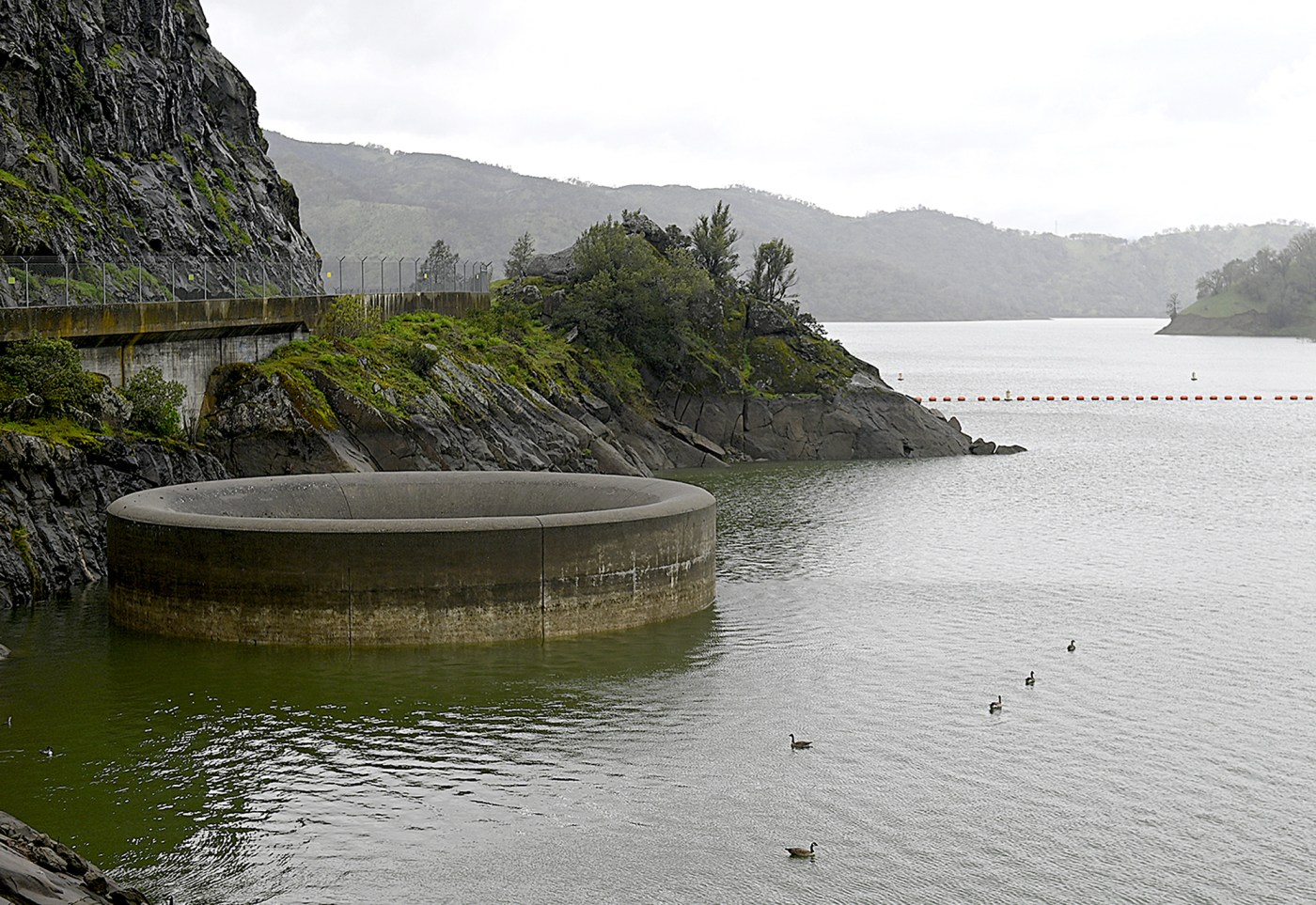
URGENT UPDATE: Major storms have rapidly elevated reservoir levels across Northern California, with Lake Shasta experiencing a dramatic increase of 16 feet in just six days. This surge comes as a series of powerful atmospheric rivers have delivered significant rainfall, marking a critical moment for water resources in the region.
As of December 25, Lake Shasta rose from just over 994 feet on December 19 to an impressive 1,010 feet, surpassing the historical average for this time of year. The California Department of Water Resources reports that Shasta Lake, the state’s largest reservoir, plays a vital role in flood control, water supply, and hydropower.
Meanwhile, Lake Berryessa is also feeling the impact of this storm system, recording over 5 inches of rain since December 19. As of Friday morning, December 22, the lake’s level has risen more than a foot, reaching approximately 430.94 feet. The lake’s maximum capacity is 440 feet, indicating that further rain could push levels even higher.
The ground surrounding Lake Berryessa is saturated, which means any future precipitation will lead to significant runoff, contributing to continued rises in lake levels. Local officials are monitoring the situation closely, given its implications for water supply and management.
Looking ahead, the National Weather Service and NOAA predict a mix of precipitation patterns for January. While Southern California may experience drier conditions, Northern and Central California could see continued storm activity into early January, influenced by a weak La Niña pattern. This uncertainty keeps water officials on alert as they prepare for potential fluctuations in reservoir levels.
For real-time updates on Lake Berryessa, residents and stakeholders can visit the Solano County Water Agency’s monitoring page at scwamonitoring.com/LakeBerryessa/. Stay tuned as this story develops, and be prepared for more rain and its impacts on local water resources.