
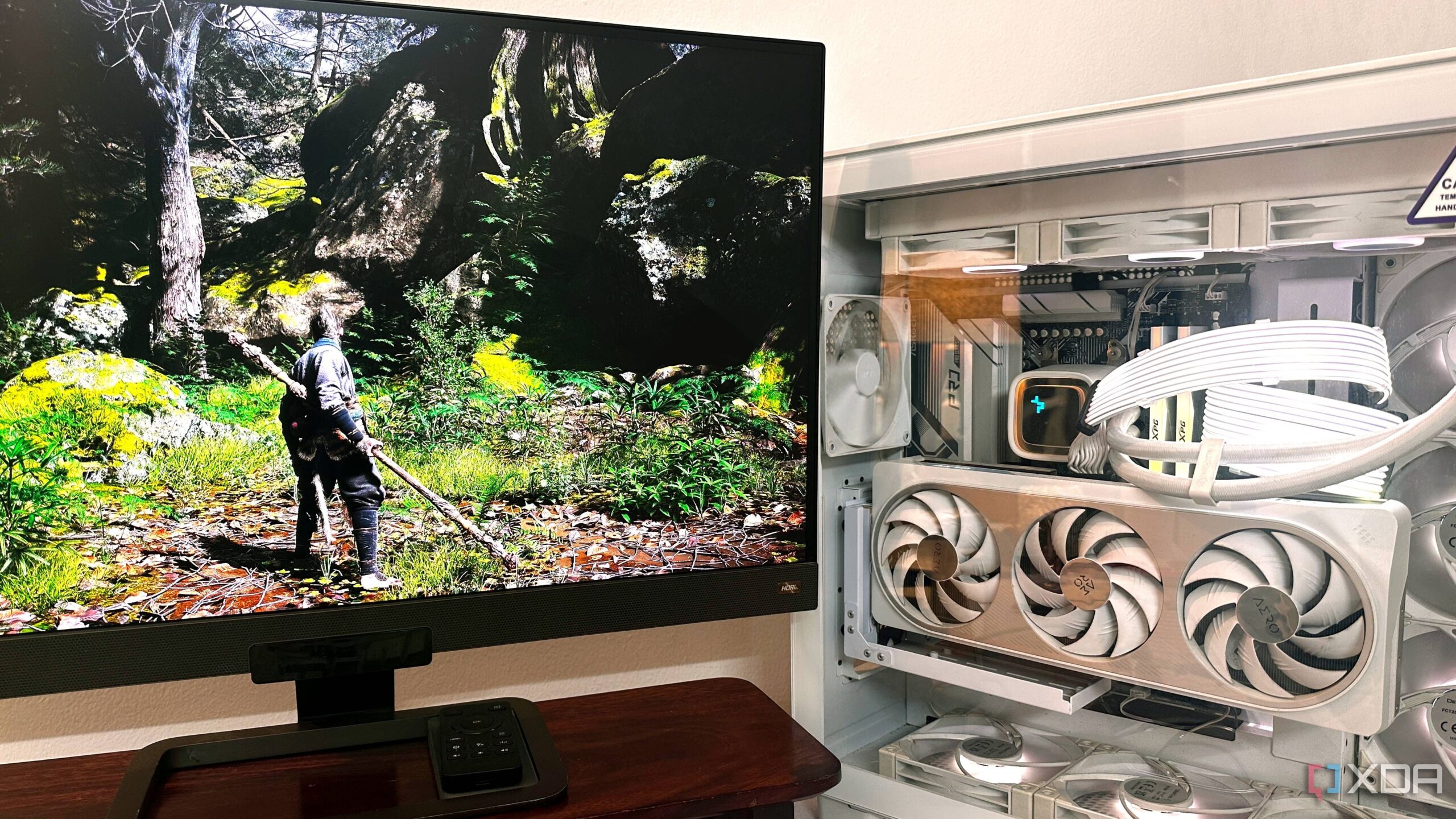
As the gaming industry evolves, the focus has shifted from traditional technologies like Deep Learning Super Sampling (DLSS) to emerging innovations such as asynchronous reprojection. This transition promises to enhance gaming experiences by significantly reducing latency and ensuring smoother gameplay across various frame rates.
Gamers are consistently seeking ways to maximize their hardware performance, particularly in competitive environments where every millisecond counts. Frame rates can influence outcomes in high-stakes matches, and even casual players appreciate improvements in performance. DLSS has gained recognition for its ability to provide additional frames with a minimal compromise on visual quality. While this technology has established a foothold in the industry, it may not represent the ultimate future of gaming.
Understanding Asynchronous Reprojection
Asynchronous reprojection is a cutting-edge technology that offers a transformative approach to rendering frames. Unlike DLSS, which enhances performance through machine learning algorithms, asynchronous reprojection aims to deliver a seamless experience by compensating for variations in frame rates. This results in lower latency and a more responsive experience, regardless of the game’s performance.
The advantages of asynchronous reprojection are particularly pronounced in fast-paced gaming scenarios. Players can expect smoother motion and improved responsiveness, which can enhance both enjoyment and competitive performance. As gaming hardware continues to develop, this technology could signify a new standard for achieving fluid gameplay across various titles.
The Broader Impact of Gaming Technologies
The ongoing advancements in gaming technology reflect broader trends within the industry. As developers strive for higher performance, the demand for lower latency solutions becomes increasingly important. Asynchronous reprojection represents a significant step towards meeting these expectations, potentially reshaping how gamers approach performance optimization.
While DLSS has set a strong precedent, the introduction of asynchronous reprojection highlights a crucial shift in focus from merely increasing frame rates to enhancing the overall gaming experience. This evolution shows a commitment to delivering immersive and competitive environments for players worldwide.
In conclusion, as the gaming landscape continues to change, technologies like asynchronous reprojection are poised to play a pivotal role in shaping the future of gaming. While established methods have served their purpose well, the industry’s direction indicates a clear preference for innovations that prioritize reduced latency and smoother gameplay. As gamers look ahead, embracing these advancements will be essential for achieving the ultimate gaming experience.