
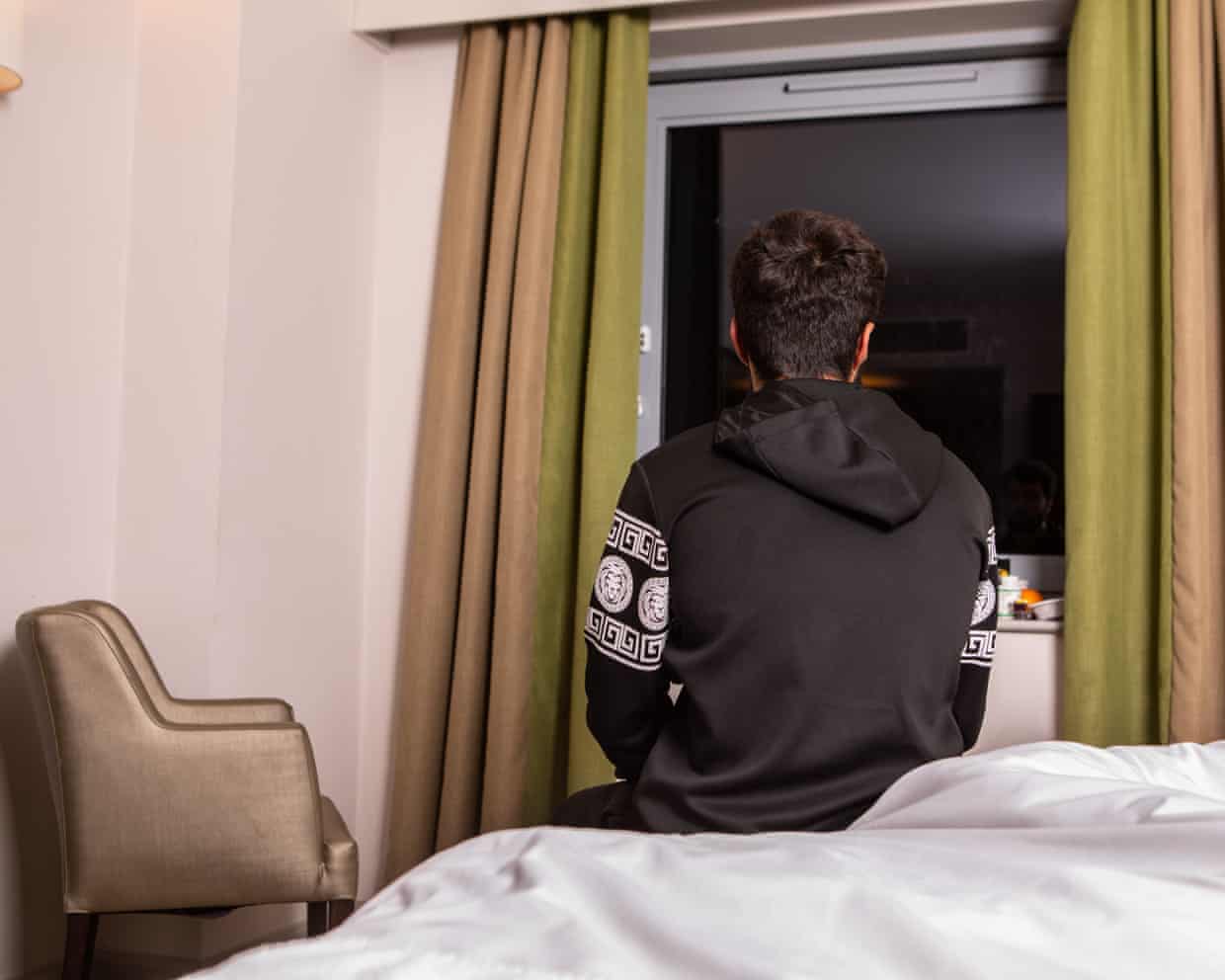
The number of asylum seekers temporarily housed in hotels within the United Kingdom has declined to its lowest point in 18 months, according to recent figures from the Home Office. As of December 2025, approximately 30,657 individuals were residing in hotel accommodations while awaiting decisions on their asylum claims. This statistic marks a significant decrease from a peak of 56,018 reported at the end of September 2023.
The government has highlighted these figures as evidence that recent changes to the asylum system, particularly those implemented by the Labour administration, are proving effective. However, these reductions have raised concerns among refugee advocacy groups. Critics argue that the tightening of asylum policies may deter individuals fleeing conflict and oppressive regimes from seeking safety in the UK.
Trends in Asylum Applications and Hotel Use
The figures released on Thursday indicate that the number of asylum seekers in hotels has dropped by 15% from the previous quarter, where 36,273 individuals were noted in hotel accommodations at the end of September 2025. The overall asylum applications have also decreased, with 100,625 people applying for asylum throughout 2025, a 4% reduction from the previous year.
Notably, the number of arrivals in the UK via small boats increased by 13% year-on-year, reaching 45,774. Small boat arrivals accounted for 41% of the total asylum claims last year, with individuals from Eritrea forming the largest group among these claimants.
Alex Norris, Minister for Border Security, emphasized that the current measures are aiding genuine refugees while identifying and returning those with false claims. He stated, “Genuine refugees are receiving the protection they need, while those with false claims are being identified and returned to their home country.” Norris added that hotel usage for asylum seekers has seen a 45% reduction compared to the peak levels under the previous Conservative government.
Concerns from Advocacy Groups
Despite the government’s assertions, concerns persist among refugee advocates regarding the implications of these policies. Louise Calvey, director of Asylum Matters, criticized the notion that fewer asylum seekers is a positive development. She remarked, “Fewer people moving to this country is nothing to celebrate or strive for. People who come here to work and raise their families in peace make us all richer, both economically and culturally.”
Calvey further warned that the government’s current policies risk making the UK poorer and expressed apprehension about the impacts of recent legislative changes affecting indefinite leave to remain for asylum seekers.
The asylum grant rate has also seen a decline, dropping to 42% in the year leading to December 2025, down from 47% in 2024 and sharply lower than the peak rate of 77% in 2022. This decline raises questions about the accessibility and fairness of the asylum process in the UK, particularly in light of the increasing number of individuals seeking refuge.
As discussions continue surrounding the effectiveness and humanitarian impact of the UK’s asylum policies, the balance between national security and compassion for those fleeing dire circumstances remains a contentious issue.