
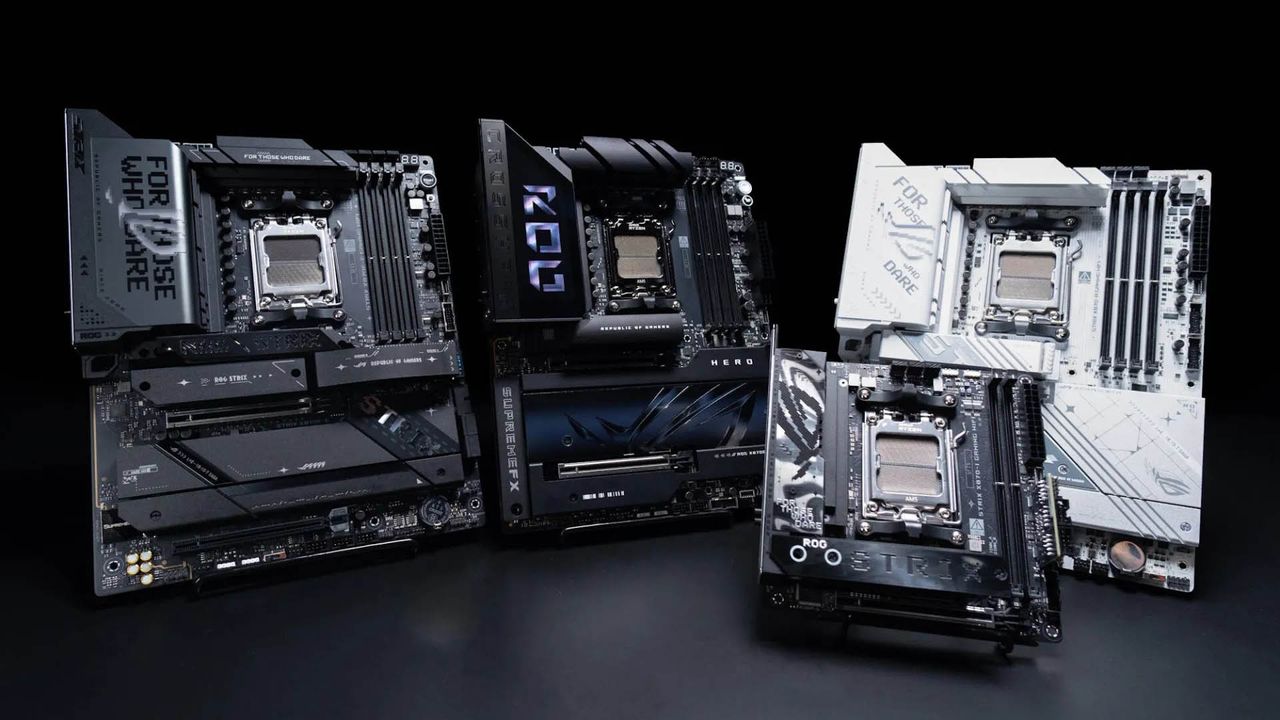
Asus has initiated an immediate internal review of its 800-series motherboards following reports of issues involving the Ryzen 7 9800X3D CPUs. The investigation is a response to concerns from users experiencing system failures after installing this high-performance gaming CPU on select Asus motherboards.
The situation mirrors challenges faced by users of ASRock motherboards, where similar failures have been reported. Many users have found that their systems fail to boot, leading to speculation about potential design flaws. Initial responses from manufacturers have varied, with ASRock acknowledging that certain BIOS configurations allowed excessive current draw on the CPU under specific conditions.
In light of these developments, Asus has issued a public statement outlining the steps being taken. The company emphasizes its commitment to product quality and stability: “We are aware of recent reports concerning AMD Ryzen 7 9800X3D CPUs and Asus AMD 800-series motherboards, and we have initiated an immediate internal review. Our teams are conducting preventive checks on product compatibility and performance, working closely with AMD to validate reported cases and ensure ongoing stability and quality.”
Asus advises users to update their motherboard BIOS to the latest version using Asus EZ Flash or BIOS Flashback to maintain system stability. The company has also encouraged those who have encountered issues to reach out to their customer service for assistance.
The broader context of this issue involves a series of reported failures affecting not only Asus and ASRock but also MSI and Gigabyte motherboards. Some industry commentators suggest that the problem may not solely lie with motherboard manufacturers but could also involve user error or other factors.
The ongoing investigation raises questions about the potential need for microcode updates for AMD processors, particularly the Ryzen 7000 and 9000 series, to manage current draw effectively. The concerns echo those faced by Intel’s processors in 2024, where design and manufacturing flaws had significant repercussions on system performance and user trust.
As the situation unfolds, it remains to be seen how Asus will navigate the challenges posed by these reports. The company is under pressure to restore confidence among users who rely on their products for high-performance gaming. With the popularity of the Ryzen 7 9800X3D and upcoming Zen 5 chips, the stakes are high for Asus and AMD alike as they work to address these critical issues.
Continued monitoring of customer feedback and product performance will be essential as Asus strives to ensure that their motherboards can be trusted for future builds. This situation serves as a reminder of the interconnected nature of hardware design and user experience in the fast-evolving gaming technology landscape.