
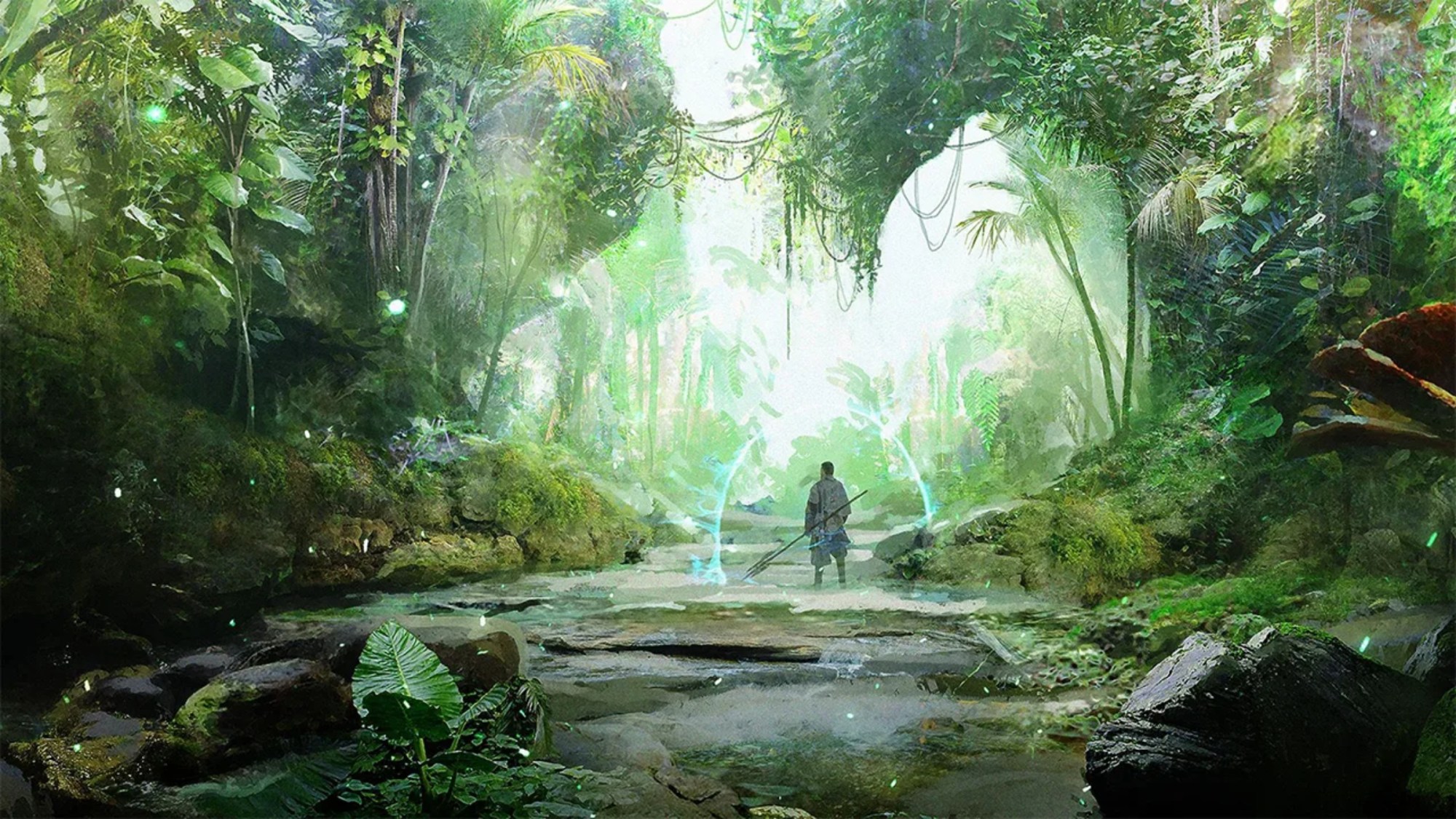
The recent collapse of the MMORPG Ashes of Creation serves as a cautionary tale for the gaming industry. After launching in Early Access on December 2025, the game was abruptly removed from Steam just 60 days later, leaving players frustrated and the development company, Intrepid Studios, in chaos. This situation not only highlights the challenges faced by developers but also raises critical questions about the industry’s future.
Understanding the Collapse of Ashes of Creation
Initially seen as a promising venture, Ashes of Creation raised over $3.2 million through Kickstarter in 2017. It aimed to revolutionize the MMORPG landscape by minimizing in-game purchases and focusing on player-driven content. However, the anticipated launch turned into a nightmare for both developers and players alike.
Following its Early Access release, Intrepid Studios faced substantial internal turmoil. Seven Sharif, formerly the Game Director, publicly resigned at the end of January 2026, citing ethical concerns over the company’s direction. His statement revealed a significant shift in control, stating, “Control of the company shifted away from me, and the Board began directing actions that I could not ethically agree with or carry out.” This change in leadership raised alarm among the development team, leading to several senior staff resignations.
On February 3, 2026, the situation worsened as Intrepid Studios laid off over one hundred employees without prior notice. Adding to the unrest, Karen L. Boreyko, a key figure in the company, announced a shift towards a subscription-based model, alongside new monetization strategies, which spurred further backlash from an already disillusioned player base.
Lessons for the Gaming Industry
The downfall of Ashes of Creation serves as a stark reminder of the perils facing the gaming industry. As the game was taken off Steam and bombarded with negative reviews, players began demanding refunds. Many who backed the project through Kickstarter found themselves without recourse, as crowdfunding policies often limit return options.
The marketing head of Intrepid Studios, Margaret Krohn, acknowledged player frustrations, advising them to pursue refunds: “You should pursue a refund, you deserve it.” However, not all players received their refunds, and former employees reported not receiving final paychecks or proper notice before layoffs.
The situation underscores the risks of prioritizing profit over player satisfaction. As developers integrate more monetization strategies, they must balance these with genuine engagement and quality content. The industry has seen a trend where ambitious projects, such as New World, struggle to deliver on lofty promises, leading to financial and reputational fallout.
Looking ahead, the challenges faced by Ashes of Creation reflect broader issues in the gaming world. Developers must manage expectations and deliver viable products within reasonable timeframes. The intersection of investor pressure and creative ambition can lead to disastrous outcomes, as seen in this case.
Ultimately, the lessons learned from Ashes of Creation emphasize the importance of aligning game development with player interests and sustainable business practices. For both developers and players, the path to success requires more than just passion; it demands realistic goals and effective management to navigate the complexities of the gaming landscape.