
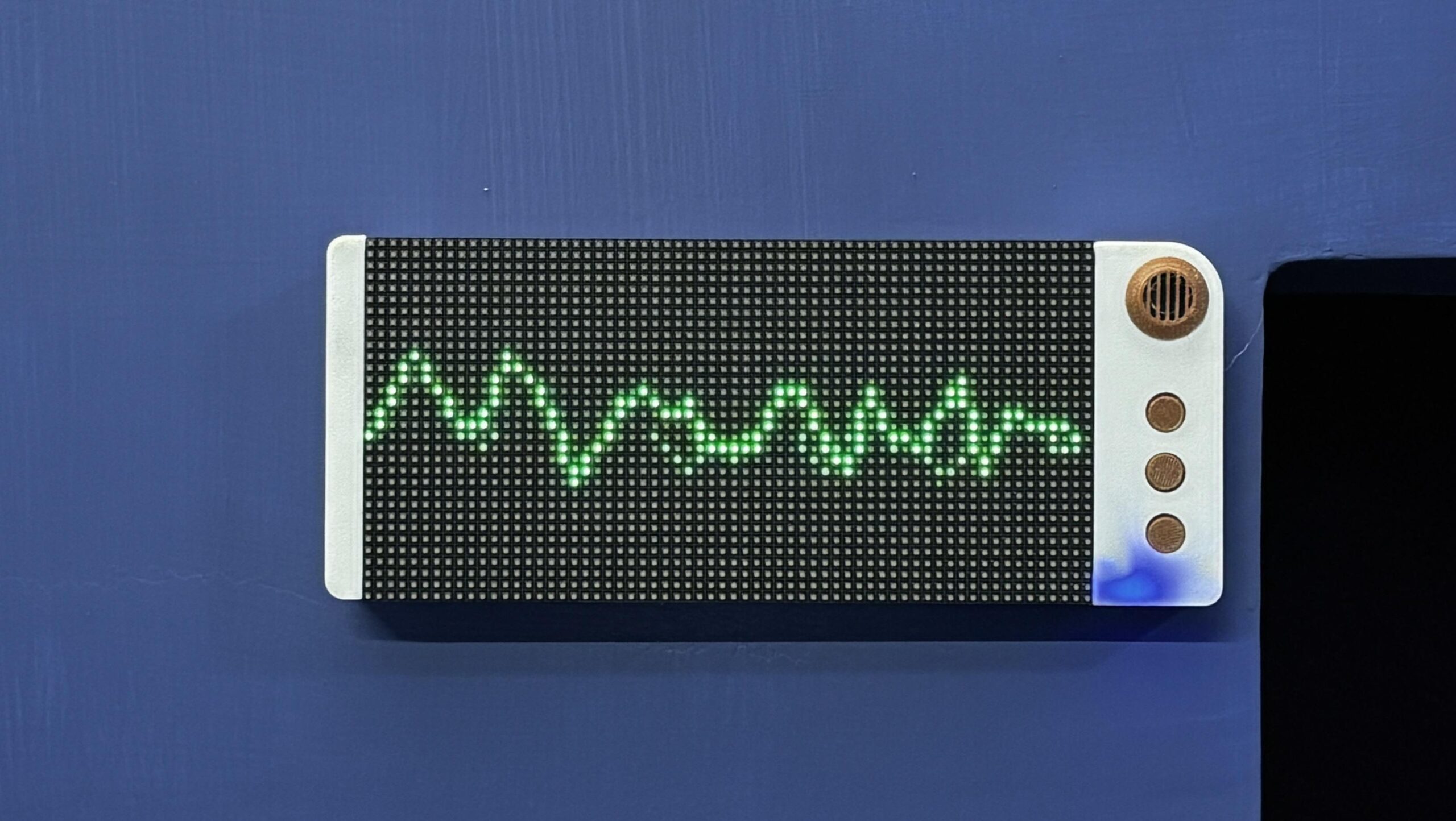
The resurgence of wall-mounted sound visualizers is underway, thanks to the innovative work of Arnov Sharma. Drawing inspiration from the visualizers that once captivated users of software like Winamp and Windows Media Player, Sharma is creating a modern interpretation that combines technology with aesthetic appeal for home decor.
Sharma’s project centers around the Raspberry Pi Pico 2, a compact and versatile microcontroller. This device is paired with a small microphone connected to a MAX9814 chip, which amplifies audio signals and incorporates automatic gain control. This crucial feature enables the microphone to effectively capture a wide range of sound levels, ensuring that both soft and loud noises are processed without distortion.
The setup allows the Raspberry Pi Pico 2 to interpret the signals from the microphone and display them on a 64 x 32 HUB75 RGB matrix. This type of display is designed to effectively visualize sound waves, making it easy for users to see the audio in real time. During a demonstration, Sharma illustrates this capability by playing guitar tones, resulting in corresponding waveforms that animate across the LED screen.
One of the standout aspects of this project is its design. The entire visualizer is housed in a sleek, 3D printed casing, transforming it into a stylish piece of wall art. This integration of technology and design makes it an attractive addition to any room, especially for those who appreciate a blend of functionality and aesthetics.
Sharma’s project not only revives a nostalgic concept but also highlights the potential of modern technology to enhance our living spaces. As sound visualizers become less common in contemporary settings, this initiative could spark a renewed interest in similar projects among tech enthusiasts and hobbyists.
Overall, Arnov Sharma’s sound visualizer exemplifies how creativity and technology can intersect to create engaging home decor. As the project gains attention, it serves as a reminder of the joy that visualizations can bring, reintroducing a beloved feature into modern life.