
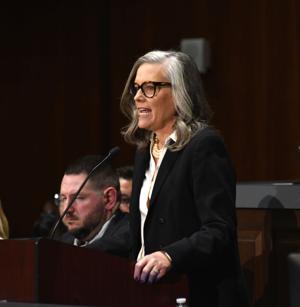
Arizona Governor Katie Hobbs has indicated a shift in the state’s approach to tax incentives for data centers. Speaking with Capitol Media Services, she stated that there is no longer a necessity for the incentives that allow these developments to receive exemptions from state and local sales taxes on equipment purchases. This statement suggests a significant policy change that could impact the future of data center construction in the state.
Data centers have been a point of contention in Arizona, primarily due to their extensive energy consumption and the financial benefits they receive from tax breaks. These incentives have often been criticized for favoring large corporations at the expense of local taxpayers. Governor Hobbs’ remarks on March 4, 2024, could signal an end to a practice that has fueled debates about resource allocation and fiscal responsibility.
The governor’s statement aligns with her administration’s broader goals of promoting sustainable economic growth while addressing the environmental concerns associated with large-scale data facilities. Hobbs has not yet provided specific details about any proposed changes to existing tax legislation, but her stance indicates a potential reevaluation of how Arizona attracts and supports tech industries.
As the state continues to navigate its fiscal priorities, stakeholders in both the private and public sectors are closely monitoring these developments. The impact of this potential shift could reverberate throughout the tech industry, influencing investment decisions and the overall business climate in Arizona.
Governor Hobbs’ position reflects a growing trend among state leaders to reassess financial incentives for industries perceived as environmentally taxing. It remains to be seen how this will affect existing data centers and future projects, but her administration’s approach appears to prioritize long-term sustainability over short-term financial gains.
With the governor’s state of the state speech approaching, further insights into her administration’s plans for economic development and tax policy are anticipated. The outcome of these discussions may set a precedent for how Arizona manages its relationship with data centers and the tech industry at large.