
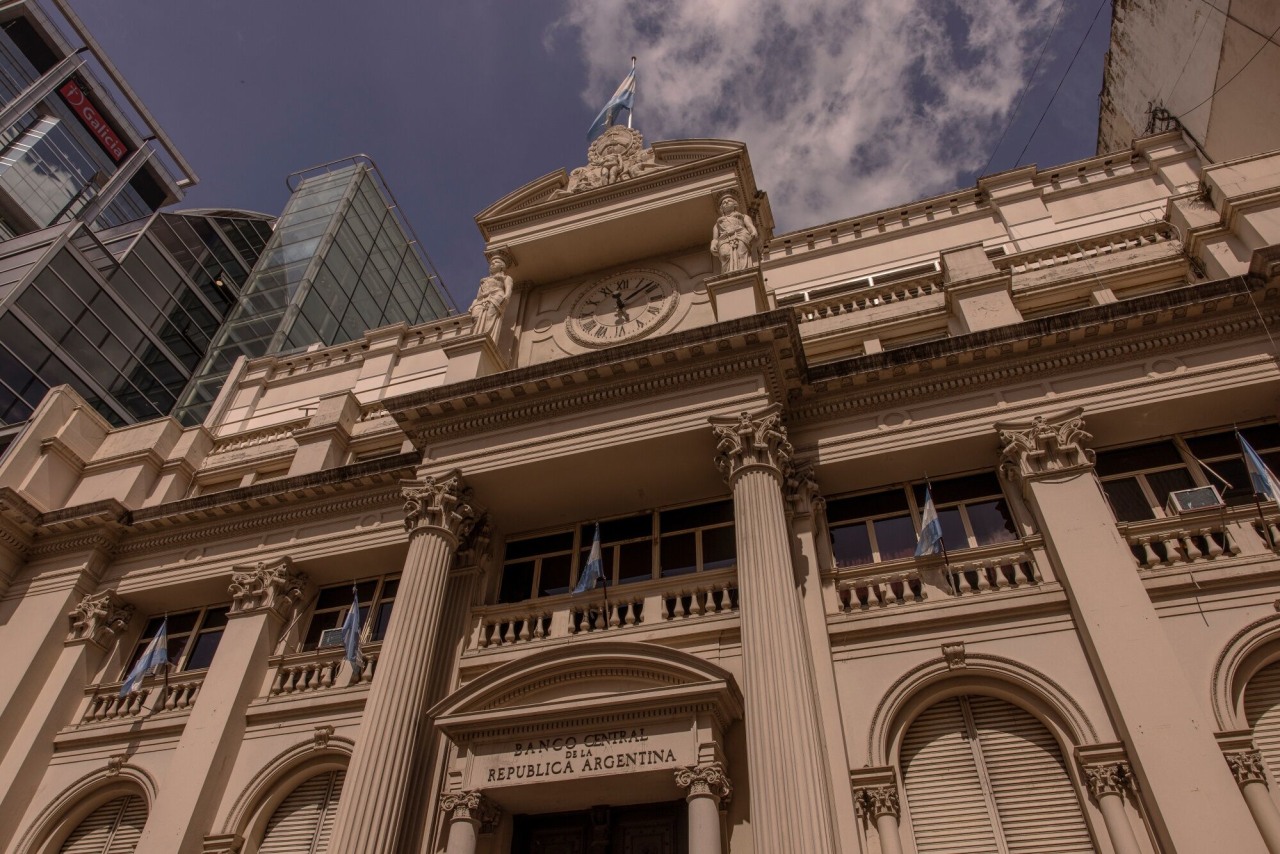
The Central Bank of Argentina has announced a pivotal shift in its currency policy, aiming to address the ongoing challenges of an overvalued peso. Effective immediately, this decision comes under the guidance of President Javier Milei, who has been vocal about the need for economic reforms since taking office earlier this year.
As part of the new measures, the bank will adjust its currency band, which directly influences exchange rates. This change is designed to enable a more realistic valuation of the peso, ultimately helping to stabilize the currency and improve the country’s international reserves. The Central Bank has faced significant pressure to act, particularly in light of inflation rates that have surged past 120% annually.
Details of the New Policy
The revised currency band will allow for greater flexibility in the peso’s value against major currencies. According to the Central Bank, this move is intended to align the peso more closely with market realities. The goal is to attract foreign investment and improve international trade dynamics, which have been hindered by a lack of confidence in the local currency.
In recent months, the peso has struggled against the US dollar, leading to a growing black market for currency exchange. This new policy aims to curb such activities by providing a more transparent and reliable framework for currency transactions. The Central Bank’s strategy also includes measures to bolster its foreign exchange reserves, which have dwindled significantly in recent years.
Implications for the Economy
The implications of these changes are vast. Economists argue that a more realistic currency valuation could help stimulate economic growth by making Argentine exports more competitive. This is particularly critical in an economy that has historically faced challenges related to inflation and trade deficits.
The adjustments come at a time when the Argentine government is grappling with a myriad of economic issues. The country is in a delicate position, needing to balance the demands of international lenders with the realities faced by its citizens. Public sentiment remains cautious, and the Milei administration will be closely monitored for the effectiveness of these new measures.
While the Central Bank’s decision is a step towards stabilizing the economy, experts warn that further reforms may be necessary to ensure long-term sustainability. The government will need to address underlying issues such as fiscal policy and public spending to fully restore confidence in the peso and the broader economy.
In conclusion, the Central Bank of Argentina’s move to ease controls on the peso marks a significant shift in its economic strategy. As the country navigates these changes, the outcomes will be pivotal for both domestic and international stakeholders.