
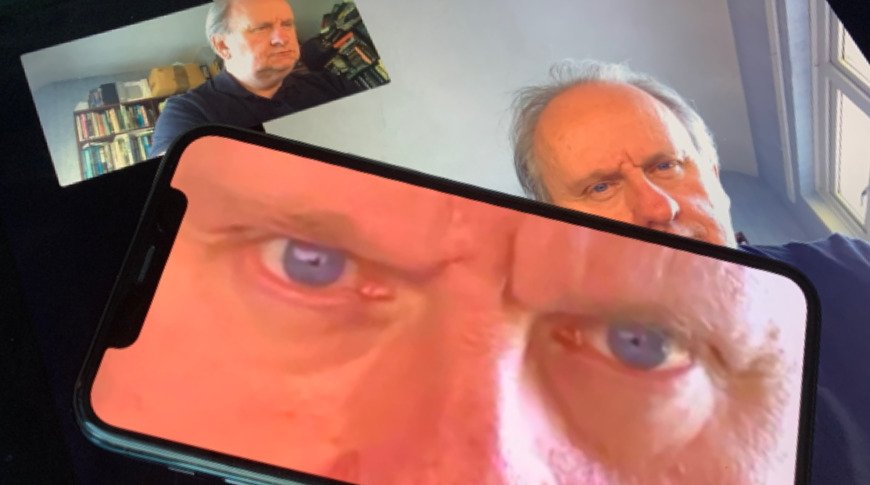
Apple Inc. is facing a legal challenge in the European Union over its FaceTime feature that corrects users’ gaze during video calls. The lawsuit, initiated by the patent firm EyesMatch, alleges that Apple infringes on European Patent EP2,936,439, which pertains to gaze correction technology. This feature aims to enhance communication by making it appear as though users are looking directly at the person on the other end of the call, even if they are not.
The case began with a formal complaint lodged with the Unified Patent Court on December 5, 2023. According to IP Fray, EyesMatch claims that Apple’s implementation of this feature violates their patent rights. In a broader context, EyesMatch is also pursuing legal action against Nvidia concerning the same patent, highlighting the growing trend of companies targeting major technology firms for alleged patent infringements.
Apple is no stranger to patent disputes, having previously engaged in high-profile litigation, particularly in its ongoing battle with Masimo over features in the Apple Watch. The current situation underscores the challenges faced by large technology companies like Apple, which are often targeted not only for their flagship products but also for seemingly minor features that may infringe on existing patents.
In the world of technology, patent trolls—entities that enforce patent rights against alleged infringers—frequently exploit such situations. These legal actions can lead to significant financial implications for companies like Apple, which must allocate resources to defend against these allegations.
The outcome of this lawsuit could have broader implications for the tech industry, particularly regarding how features are developed and patented. If EyesMatch prevails, it may encourage further challenges against major companies, potentially reshaping the landscape of innovation in technology.
As the case progresses, Apple will likely respond to the allegations in court, defending its technology and asserting that its features do not infringe on the specified patent. The resolution of this lawsuit will be closely watched by stakeholders within the technology sector, as it could set a precedent for future patent disputes.