
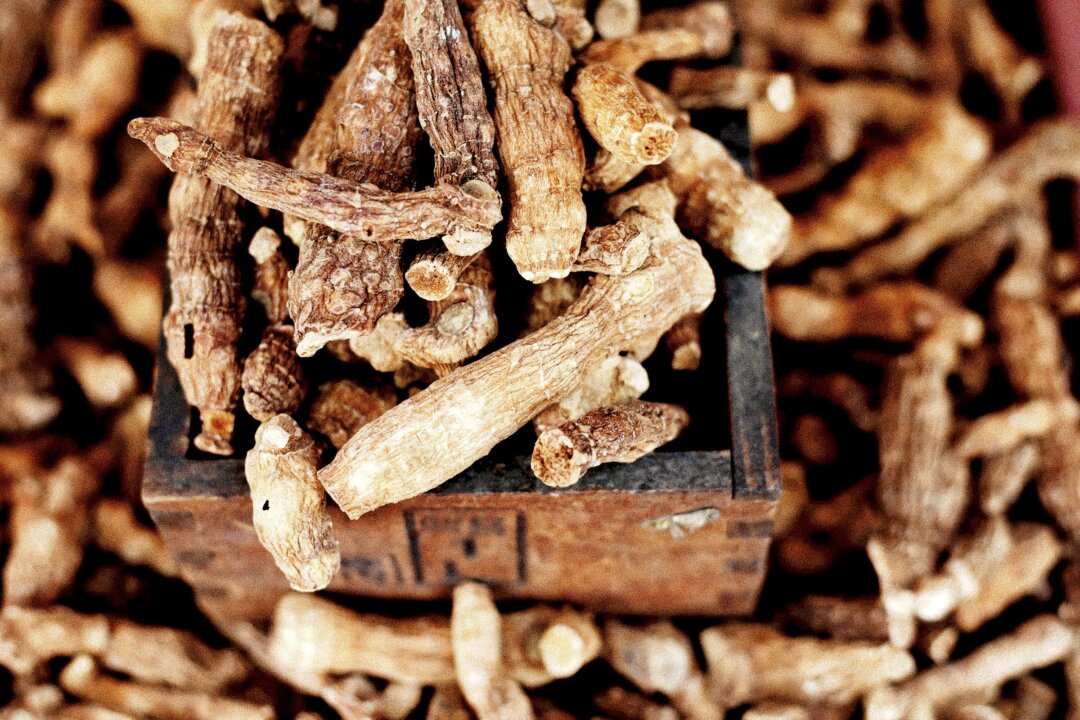
The ancient herb Polygonatum sibiricum, commonly known as Huang Jing, is experiencing a resurgence in interest due to its purported health benefits. Long rooted in Chinese tradition, this plant has been recognized for its nutritional and medicinal properties, particularly in the context of promoting longevity. The renewed focus on this herb is drawing connections to its historical significance in traditional Chinese medicine (TCM) and its potential applications in modern healthcare.
Historical Significance and Medicinal Properties
In the classic Chinese tale “Journey to the West,” the character Sun Wukong, known as the Monkey King, discovers Huang Jing during a harsh winter on Flower-Fruit Mountain. The narrative, while fictional, highlights the herb’s longstanding reputation as a vital resource. Not only is it a staple in traditional diets, but it also plays a crucial role in TCM, where it is esteemed for its ability to enhance vitality and support longevity.
According to the ancient text, Shennong Bencao Jing, which dates back over 2,000 years, Huang Jing is noted for its ability to “tonify the middle and boost qi,” referring to the digestive system’s function. In TCM, a robust digestive system is critical for overall health, as it directly impacts energy levels and resilience. Regular consumption of Polygonatum sibiricum is believed to contribute to a longer, healthier life.
Modern Research and Applications
Recent studies have begun to validate the traditional claims surrounding Huang Jing. Researchers are investigating its biochemical compounds, which are believed to contribute to its health benefits. Initial findings suggest that the herb may possess anti-inflammatory and antioxidant properties, making it a candidate for further exploration in treating chronic illnesses and promoting overall wellness.
The growing interest in Polygonatum sibiricum reflects a broader trend in the integration of traditional remedies into modern medicine. As health-conscious consumers seek natural alternatives to pharmaceutical treatments, the demand for herbs like Huang Jing is likely to increase. This trend highlights a shift towards a more holistic approach to health, blending ancient wisdom with contemporary scientific research.
The potential for Polygonatum sibiricum to serve as a natural supplement is supported by its historical use. As more individuals and healthcare practitioners recognize the value of traditional herbs, the integration of such natural remedies into dietary practices may become more commonplace.
In conclusion, the journey of Polygonatum sibiricum from a legendary tale to a subject of modern scientific inquiry illustrates the enduring relevance of traditional knowledge in contemporary health discussions. As research continues, this ancient herb may play an important role in the future of wellness, merging the wisdom of the past with the innovations of today.