
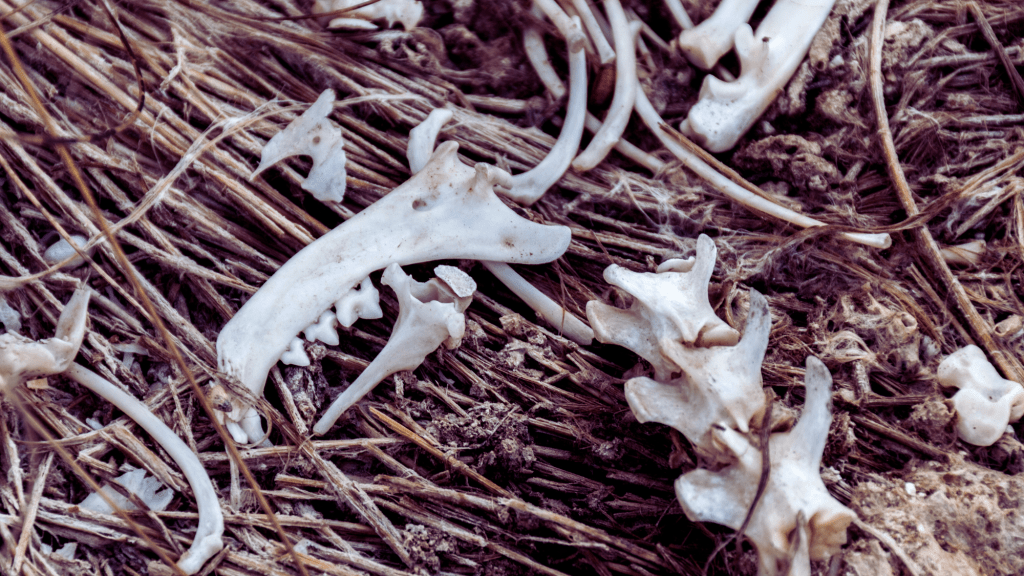
BREAKING: A groundbreaking study reveals that over 5,000 years ago, ancient bees in the Caribbean ingeniously nested inside the bones of dead rodents. This remarkable discovery, published in Royal Society Open Science, uncovers a unique adaptation among these burrowing bees on Hispaniola, the island now shared by the Dominican Republic and Haiti.
Researchers found that these bees constructed their brood chambers within the hollow teeth and vertebrae of rodents, specifically hutias, a stocky species resembling a squirrel-beaver hybrid. This unexpected nesting behavior was discovered in a cave filled with rodent remains and even bones from an extinct sloth.
The study’s co-author, Mitchell Riegler from the University of Florida, explained that rather than excavating new tunnels, the bees cleverly utilized pre-existing cavities. “The cells of Osnidum almontei appear highly opportunistic, filling all bony chambers available in the sediment deposit,” the researchers noted. This is the first documented instance of bee nests built inside fossil cavities and only the second known case of burrowing bees nesting within a cave.
Why did bees choose this unusual nesting site? The surrounding landscape, made of sharp, edgy limestone with depleted natural soils, likely limited their options. The cave, once a thriving ecosystem, faced imminent destruction as plans emerged to convert it into a septic storage facility.
Following these developments, the research team undertook a rescue mission to extract as many fossils as possible before potential loss. Lead author Lazaro Viñola Lopez of the Field Museum emphasized the urgency of their efforts. Although the conversion plans were halted, many fossils remain unstudied, hinting at further discoveries about the peculiar interactions between these bees, owls, and rodents.
This astonishing study not only sheds light on the survival strategies of ancient bees but also highlights the significance of preserving such unique ecological sites. As researchers continue to analyze the findings, the collaboration between species offers a captivating glimpse into a long-gone world. The implications of this research resonate today, urging immediate attention to the conservation of fragile ecosystems.
Stay tuned for more updates as this story develops. The fascinating interplay among ancient species continues to captivate scientists and nature enthusiasts alike, with much more to uncover from this historic cave.