
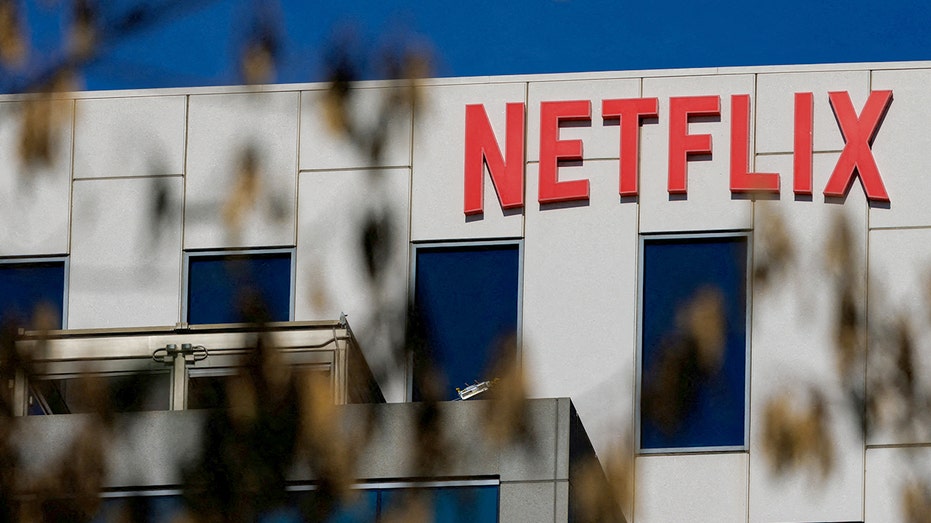
On March 12, 2024, Congress is set to hold a significant hearing regarding the proposed merger between Netflix and Warner Bros. Discovery. This event carries implications that extend beyond the entertainment sector, touching on American jobs, media control, and national security. If he were alive today, former President Ronald Reagan would likely advise Americans to pay close attention to the proceedings. Reagan recognized the influence of media in shaping cultural narratives and understood that foreign adversaries exploit it to undermine free societies.
The hearing will examine whether U.S. companies like Netflix and Warner Bros. Discovery can thrive in an environment increasingly influenced by foreign powers, especially as nations such as China leverage media to impact global opinions. The stakes are high; the outcome will affect not only corporate growth but also the integrity of American storytelling, which plays a crucial role in promoting democratic values abroad.
This proposed merger is not merely a business transaction; it directly impacts the future of American filmmaking and the livelihoods of those within the industry. For over a century, American films and television have conveyed values such as freedom and creativity, making cultural influence one of the United States’ strategic advantages. Today, however, that influence is under threat.
The entertainment sector supports hundreds of thousands of jobs, including writers, actors, camera crews, and visual-effects artists across various states, including California, Georgia, New Mexico, Texas, and New Jersey. Recently, Netflix announced plans to invest $1 billion in a new production studio at the former Fort Monmouth Army base in New Jersey, a project anticipated to create over 5,000 high-paying jobs. This investment signifies a commitment to long-term growth and stability, essential for maintaining a robust production environment.
The proposed Netflix-Warner Bros. Discovery merger aims to create a stronger entity capable of consistent investment in American productions. With a combined force, the new company could foster more projects domestically, enhancing job security and economic growth in the entertainment sector. The implications of these developments extend beyond mere industry dynamics; Hollywood is recognized as a national asset that shapes global perceptions of the United States.
The influence of American media is unmatched, reaching a broader audience than any diplomatic initiative. Yet, foreign entities, particularly China, are aware of this power and actively seek to control narratives. A notable example is the global success of “Top Gun: Maverick,” which faced a ban in Chinese theaters due to a minor detail: a patch on Tom Cruise’s jacket depicting the Taiwanese flag. This incident underscores the lengths to which foreign governments will go to censor content that does not align with their political interests.
As Congress debates the potential merger, concerns about foreign investment in the U.S. media landscape are rising. Proposals from legacy studios could consolidate power among just four major entities, reducing competition and potentially raising costs for consumers. It has been reported that some proposed acquisitions are backed by $24 billion from foreign governments, including Saudi Arabia, Abu Dhabi, and Qatar. Such financial influence raises important questions about the motivations behind these investments.
While some may advocate for less regulation, existing laws are designed to protect the American marketplace from foreign manipulation. The influx of foreign capital into American media is not an act of goodwill; it serves to enhance influence and control over narratives that shape public perception. As Ben Ferguson, a talk radio host, notes, weakening American content opens the door for foreign entities to fill the void with their narratives, which poses a direct threat to national security.
The ongoing discussion about the Netflix-Warner Bros. Discovery merger is critical for maintaining a competitive and independent media landscape. The streaming market remains diverse and fiercely competitive; this merger will not eliminate competition but rather enable an American company to effectively engage with both Big Tech and state-backed foreign competitors.
In a global landscape where cultural influence equates to power, the United States must not compromise one of its most significant assets. The decisions made in Congress on March 12 will shape the future of American storytelling and the extent of foreign influence in the media, highlighting the importance of vigilance in protecting national interests.