
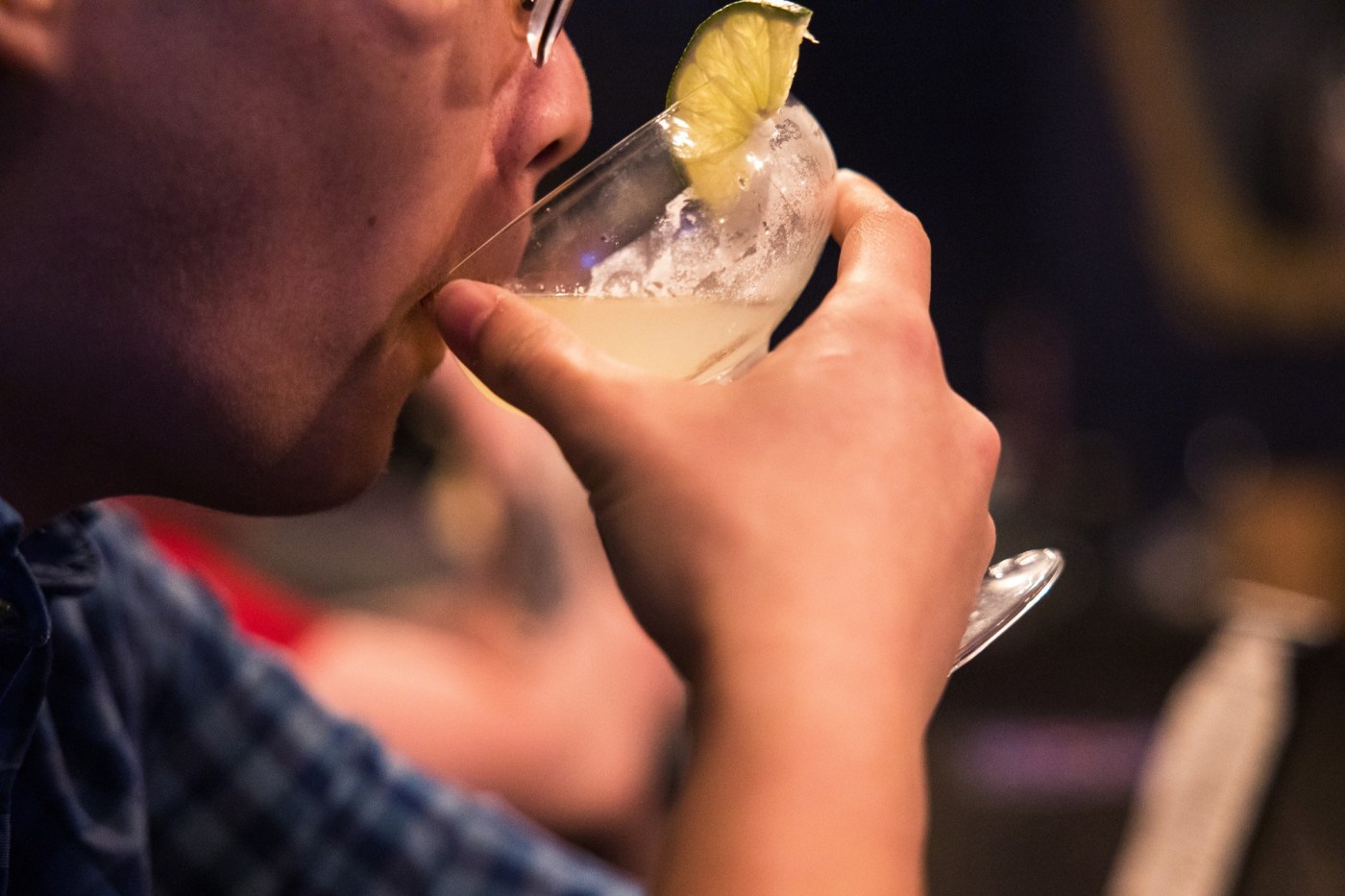
As the New Year approached, many Americans reflected on their drinking habits, with a significant number choosing to participate in Dry January, an initiative encouraging a month of sobriety. This trend has gained traction since its inception in the UK in 2013, and recent data suggests that it may be contributing to a broader cultural shift towards moderation in alcohol consumption.
A recent Gallup poll indicates that only 54% of adults in the United States reported consuming alcohol, marking the lowest level of alcohol consumption in nearly 90 years. The decline is particularly pronounced among younger generations, who are increasingly opting to abstain from alcohol altogether. This shift comes in the wake of a period during the pandemic when many individuals overindulged, prompting a reassessment of drinking habits.
According to Marisa M. Silveri, director of the Neurodevelopmental Laboratory on Addictions and Mental Health at McLean Hospital, Dry January offers individuals “cultural permission to pause.” This initiative provides a platform for people to evaluate their relationship with alcohol without the stigma often associated with abstaining. Silveri notes that the sober curious movement, alongside events like Dry January, has helped normalize the act of reassessing one’s drinking habits.
The concept encourages participants to consider not just the quantity and frequency of their alcohol consumption but also its impact on various aspects of their lives, including sleep, mood, and stress management.
Many individuals are reporting positive changes as a result of this month of sobriety. Lisa Jarvis, a columnist for Bloomberg Opinion, shared her experience of a “damp” January, where she still consumes alcohol but has significantly reduced her intake. This personal journey reflects a broader societal trend towards moderation, fueled by a growing awareness of the health risks associated with alcohol consumption.
The past year saw a health advisory from then-Surgeon General Vivek Murthy, which highlighted the links between moderate drinking and an elevated risk of cancer. This report served as a wake-up call for many, with individuals reassessing their drinking habits in light of new evidence linking alcohol to long-term health risks, such as dementia.
Younger generations, particularly Gen Z, are internalizing these messages. The Gallup poll revealed that approximately 66% of young adults now view moderate drinking as detrimental to their health—more than double the percentage who felt this way a decade ago. This shift in perception contributes to their reduced alcohol consumption; only 50% of adults under 35 reported drinking in 2023, down from 59% the previous year.
Consumer trends are also playing a significant role in this cultural shift. The rise of wearable technology allows individuals to track their health metrics, providing tangible evidence of how alcohol affects sleep quality and overall well-being. Additionally, the increasing availability of alcohol-free beverages is making it easier for young people to engage in social activities without consuming alcohol.
The potential for this trend to continue is underscored by comparisons to the decline in cigarette smoking in the United States. After a landmark report in 1964 linked smoking to lung cancer, smoking rates steadily decreased from 42% to below 12%. Although it remains uncertain whether alcohol consumption will experience a similar decline, the disinterest of Gen Z in drinking suggests a positive trajectory towards lower drinking rates.
As individuals navigate their drinking habits, many are finding joy in social celebrations while balancing health considerations. Jarvis, for instance, chose to celebrate with champagne on New Year’s Eve but returned to her mindful approach the following day. The ongoing cultural dialogue surrounding alcohol consumption promotes awareness and encourages individuals to make informed choices about their drinking.
The conversation surrounding Dry January and similar initiatives plays a crucial role in shaping public perceptions of alcohol consumption. As more people engage in this annual experiment, the potential for a long-term cultural shift towards moderation appears increasingly likely.