
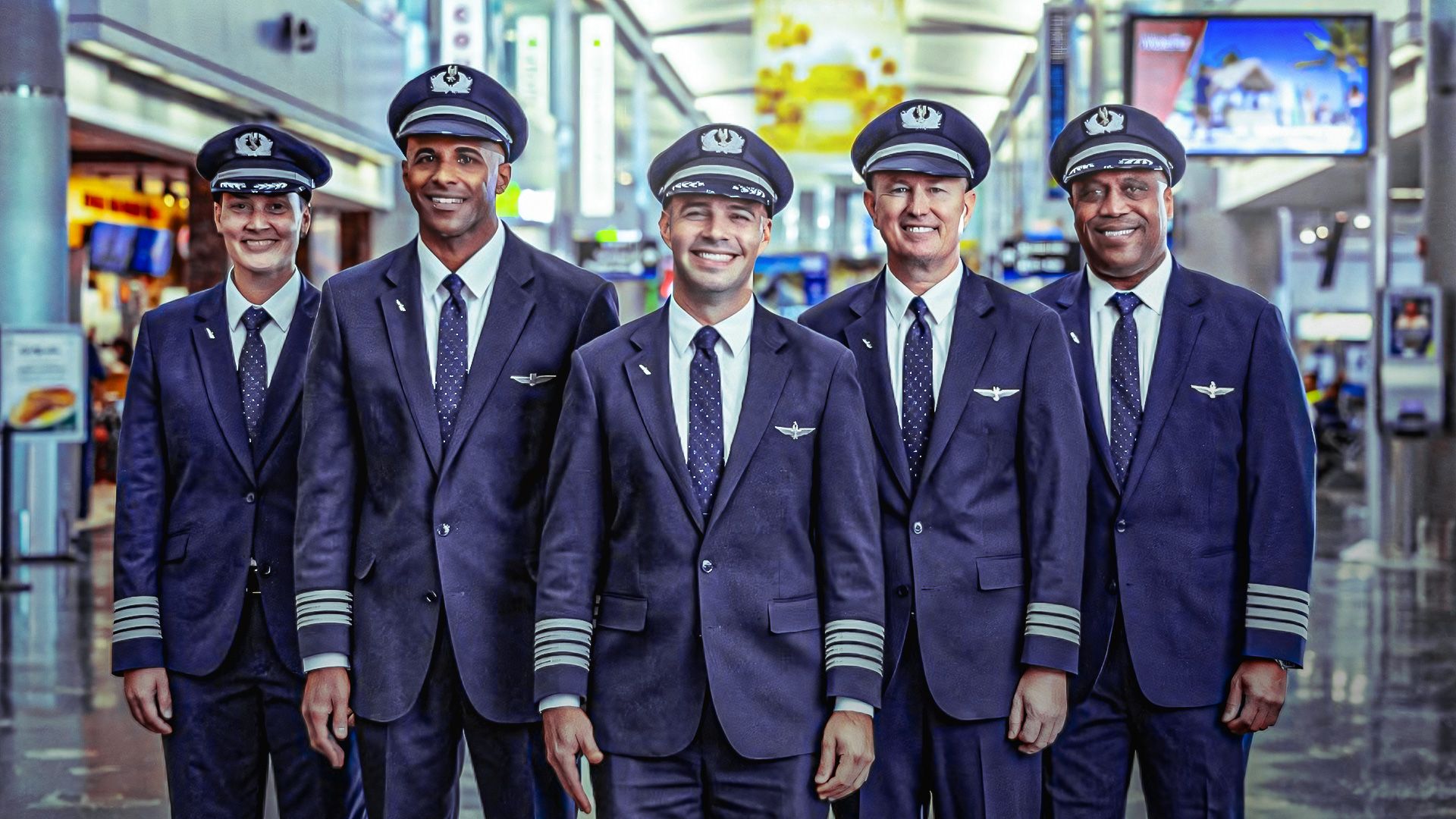
A recent post by an American Airlines pilot on Reddit, which displayed his paycheck revealing nearly $458,000 in earnings for 2025, has ignited discussions about pilot salaries in the airline industry. While the figure is astonishing to many, the general sentiment among industry insiders appears supportive, recognizing the significant responsibilities that come with the role of a pilot.
Despite the controversy surrounding this high salary, this figure highlights a growing awareness of the financial landscape pilots navigate. It is essential to understand the complexities involved in pilot compensation, which can vary widely based on factors such as seniority, aircraft type, and geographical region.
Understanding Pilot Salaries at American Airlines
The pilot in question, a Boeing 737 captain based in Miami, earned an hourly rate exceeding $360. This salary, while substantial, does not represent the earnings of all American Airlines pilots. Pay scales are influenced by various factors, including the type of aircraft piloted and the pilot’s tenure with the airline.
American Airlines operates several aircraft types, including the Boeing 737-800 and 737 MAX 8. Captains flying larger aircraft, such as the Boeing 777 and Boeing 787, can command even higher salaries, with rates reaching approximately $447 per hour. Consequently, widebody captains at American Airlines, as well as at competitors like Delta Air Lines and United Airlines, often earn in excess of $500,000 annually.
American Airlines’ pilot contracts include scheduled annual increases in hourly rates, promising further salary growth in the coming years.
The Structure of Pilot Compensation
Pilot pay is primarily derived from an hourly wage based on flying hours, calculated from the moment the aircraft’s parking brake is released until it is set again. According to regulations set by the Federal Aviation Administration (FAA), pilots cannot fly more than 1,000 hours annually. However, most pilot contracts guarantee a minimum monthly pay for a set number of hours, typically ranging from 70 to 76 hours.
Pilots may also receive additional compensation for premium flights, recurrent training, sick leave, vacation, and per diem expenses, which cover living costs during layovers. In the case of the American Airlines pilot who shared his paycheck, a substantial portion of his earnings—approximately $333,716.10—was from his hourly rate, while the remainder stemmed from various additional factors.
The average salary for an airline pilot in the United States can be estimated by multiplying their hourly rate by 1,000, although actual earnings can surpass this estimate due to the complexities of pilot compensation.
The Landscape of U.S. Pilot Salaries
The reported salary of the American Airlines pilot aligns with trends seen across major U.S. airlines, including Alaska Airlines, FedEx, and Southwest Airlines, which offer comparable compensation. However, this high pay is relatively unique to the United States, as pilots in many other countries earn significantly less.
The competitive salaries in the U.S. are a result of the enduring strength of major legacy carriers, which have maintained financial stability. In contrast, low-cost carriers often pay lower wages and face operational challenges.
Aspiring pilots in the U.S. face considerable costs, with training expenses ranging from $80,000 to over $100,000. Although a college degree is not mandated, it is generally recommended to enhance job prospects. The pathway to becoming a pilot involves obtaining multiple licenses and accumulating flying hours, often taking between two to three years.
The Evolution of Pilot Compensation
Historically, pilot salaries have fluctuated based on the airline industry’s economic climate. Significant pay cuts occurred in the early 2000s, but the recovery in the 2010s allowed unions to negotiate improved salaries and working conditions. Following the COVID-19 pandemic, which led to a temporary decline in air travel, the industry has rebounded, and pilot unions have successfully advocated for better pay as demand for air travel returns.
The Air Line Pilots Association, the largest union representing U.S. pilots, plays a pivotal role in these negotiations. With an increasing number of senior pilots retiring and a limited supply of new pilots entering the field, there is a notable shift in the dynamics of pilot compensation in the U.S. airline industry.
As discussions around pilot salaries continue, the case of the American Airlines pilot serves as a focal point for broader conversations about compensation, responsibilities, and the future of aviation careers.