
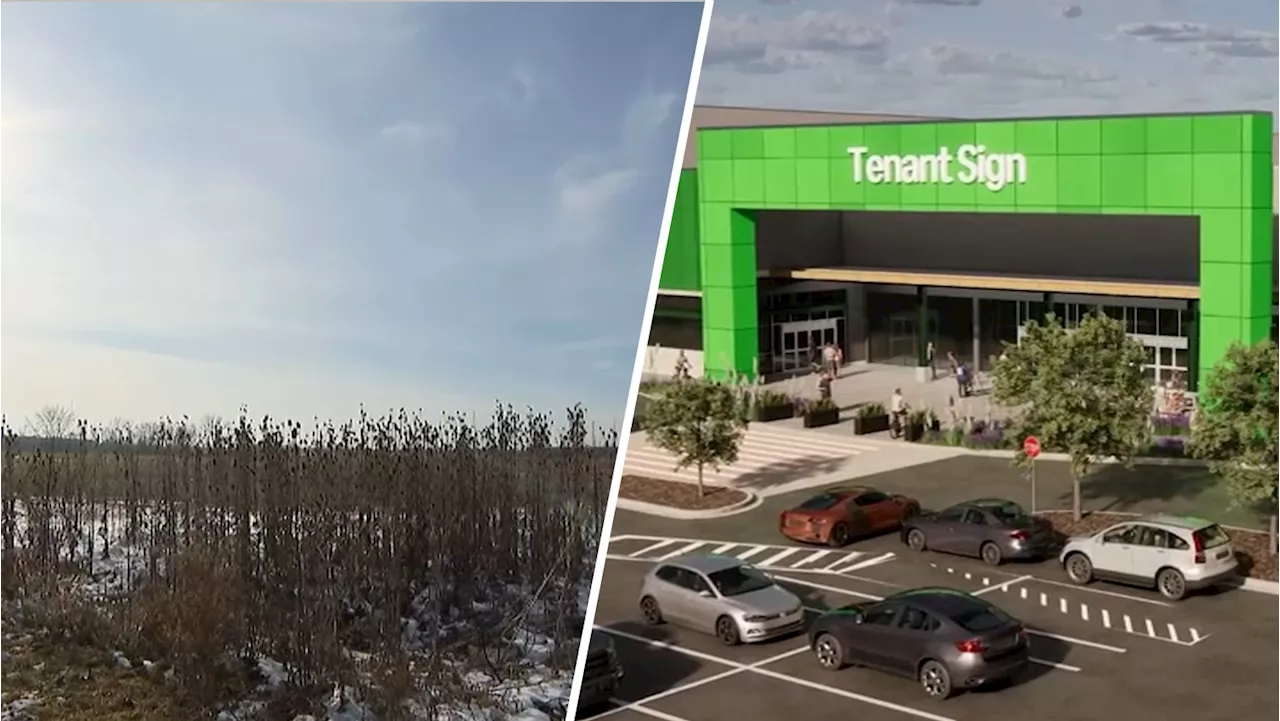
A proposed Amazon retail store near the busy intersection of 159th Street and LaGrange Road in Orland Park, Illinois, is generating significant local interest and concern among residents. The project, which aims to construct a one-story facility at a site that has remained vacant for nearly two decades, has raised questions regarding potential traffic impacts and the scale of the development.
Orland Park Mayor Jim Dodge emphasized that the proposal should not be confused with a distribution center. “This is retail — not a warehouse,” he stated. “It’s comparable to a large supercenter, like a Costco or a Walmart, not a multi-story distribution facility.” The planned retail space will encompass 228,660 square feet and include over 800 parking spaces, bicycle parking, and provisions for future outlot development.
Concerns have surfaced from residents regarding increased truck traffic and congestion at this already busy intersection. Village officials acknowledge these traffic issues but assure the community that improvements are being planned alongside the development. A comprehensive traffic impact study is part of the proposal, which includes plans for new turn lanes and a future traffic signal associated with the anticipated extension of Ravinia Avenue.
The Illinois Department of Transportation is expected to review the development’s access points and overall traffic flow, adding another layer of scrutiny to the project. Mayor Dodge noted that much of the public concern stems from misconceptions about the nature of the proposed facility. “When people hear Amazon, they immediately think distribution center,” he explained. “That’s not what this is. This is a retail store with normal delivery patterns — not hundreds of trucks coming in and out around the clock.”
Beyond the traffic implications, village leaders are optimistic about the potential economic benefits that the project could bring. They anticipate increased property tax revenue and sales tax income, which would support local services, schools, and public safety efforts.
The proposal is set to be reviewed by the Orland Park Plan Commission as part of a multi-step approval process. If the commission approves the project, it will then require final authorization from the village board before construction can commence. The entire process could extend well beyond this year, reflecting the complexities of development in busy suburban areas.
As community members continue to express their opinions, the outcome of the proposal remains to be seen. The development of an Amazon retail store in Orland Park could reshape not only the local economy but also the traffic dynamics of one of its busiest intersections.