
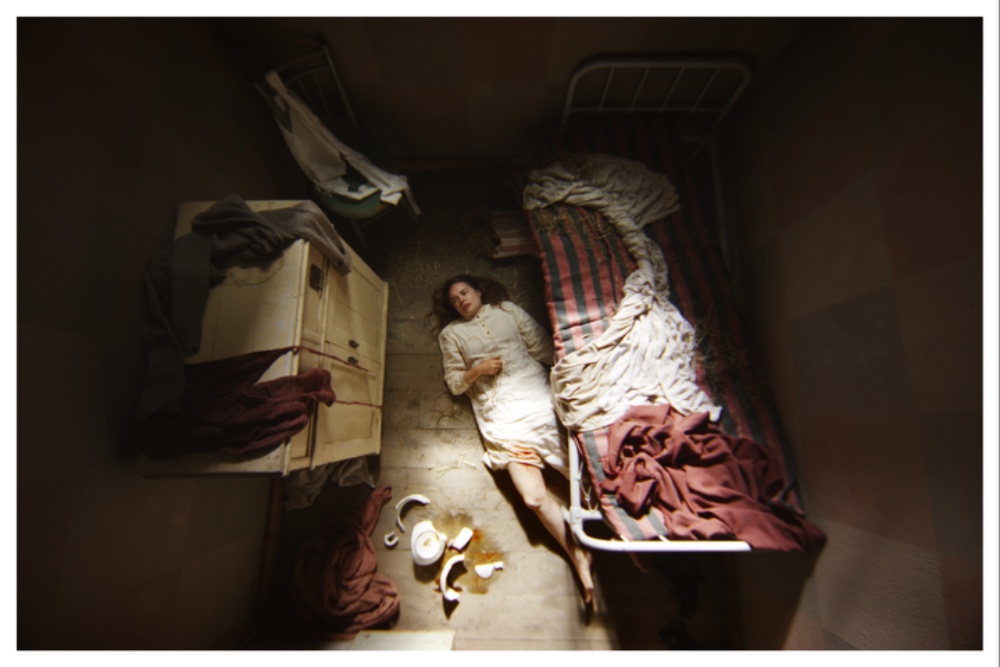
Finnish director Alli Haapasalo makes her highly anticipated debut at the Göteborg Film Festival with the period drama “Tell Everyone.” Set in 1898, the film delves into historical themes of female suffering, highlighting its disturbing relevance in contemporary society. Haapasalo, known for the acclaimed film “Girl Picture,” emphasizes that the struggles faced by women throughout history often mirror those encountered today.
The narrative follows women who challenge societal norms or commit crimes, only to find themselves sent to the isolated Seili Island in the Finnish archipelago. One such character, Amanda (portrayed by Marketta Tikkanen), faces stigmatization due to severe menstrual pain, labeled as mad for her suffering. “That’s the saddest part of the story – it’s just as relevant,” Haapasalo remarked in an interview with Variety.
Haapasalo draws inspiration from real historical accounts, including those chronicled in the novel by Katja Kallio. The film references the existence of “prison islands” across various countries, with Seili Island transitioning from a leprosy hospital to a mental institution in the 19th century. The director noted that the facility originally housed both men and women, but men were later removed, which she described as a “crazy process.”
The portrayal of mental health in the film paints a grim picture of the era. Haapasalo explained that caretakers were often untrained, lacking knowledge of psychiatry, and focused on separating patients from society rather than providing appropriate care. She emphasizes Amanda’s plight, who claimed to have flown to Paris in a hot air balloon, a story noted in her medical records. This led Kallio to ponder, “What if we believe her and don’t just dismiss it as the story of a crazy woman?”
As Haapasalo depicts a “ruthless time,” she aims to capture the essence of a protagonist whose “only crime was being a woman with integrity.” Many women were institutionalized not just for mental health reasons but often due to societal pressures, such as poverty or unproductive status. Amanda’s lack of a home was sufficient grounds for her commitment.
Despite the dark themes, Haapasalo strives to present Seili Island as a place of beauty amidst horror. “The surroundings are gorgeous in terms of nature, but the horror is already in these women’s lives,” she said. The film addresses the nuanced realities of women’s lives during this period, showcasing their struggles within an oppressive system.
In her commitment to authenticity, Haapasalo ensured that the cast embraced a natural appearance, avoiding makeup to reflect the era accurately. “Not a single person asked: ‘May I please wear a bit of foundation?’” she recalled. This choice aligns with current conversations about authenticity in representation and self-image among women.
Amanda’s journey unfolds as she connects with other women in the institution, forming a community that defies their oppressive circumstances. Haapasalo shared that one male distributor expressed envy over the bond the women formed, stating, “I’ve never experienced anything like this community and I never will.” This dynamic illustrates the complexities of female relationships, showcasing both camaraderie and the harsh realities of their confinement.
The landscape for female-led projects in the film industry has been a topic of concern, especially with some industry insiders predicting a downturn in support for women directors. Haapasalo noted the fluctuations in funding available for female creators, reflecting on the aftermath of the #MeToo movement. She acknowledged that while funding for women’s projects increased after the movement, recent numbers indicate a decline. “When I was making ‘Girl Picture,’ it was closer to 50/50,” she explained.
Haapasalo expressed hope that the film industry recognizes the importance of diverse voices. “It wouldn’t surprise me if people said: ‘We’ve funded enough female work now.’ That’s classic backlash,” she remarked. Her film resonates with contemporary issues, illustrating Amanda as a character who challenges existing power structures. “She’s loud and obnoxious, and she does what she wants,” Haapasalo described, highlighting the ongoing struggles women face against societal expectations.
“Tell Everyone” not only sheds light on historical injustices but also serves as a reminder of the ongoing conversations surrounding female empowerment and mental health. With its world premiere at the Göteborg Film Festival, the film aims to provoke thought and discussion, bridging the gap between past and present in the context of women’s experiences.