
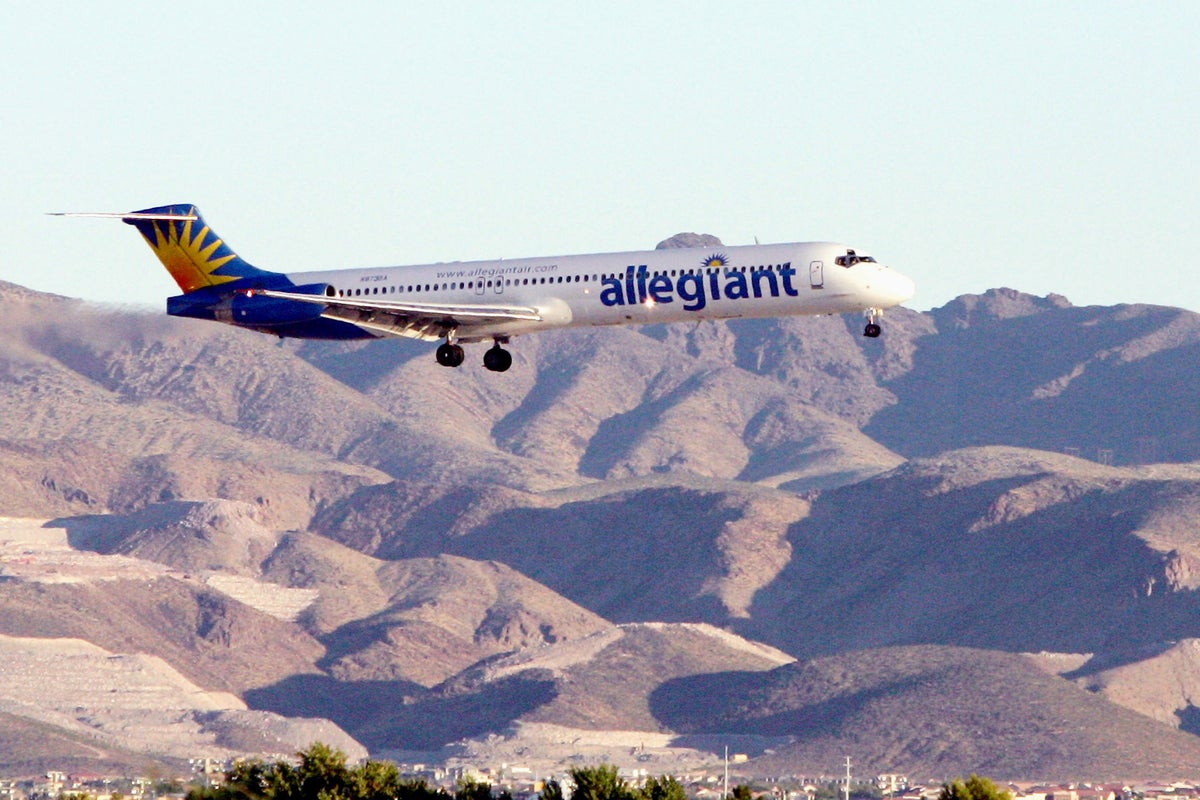
UPDATE: Allegiant Air’s efforts to secure permanent residency for dozens of foreign pilots have been halted by their union, creating an urgent staffing crisis. The Teamsters Local 2118 is blocking the airline’s certification with the US Department of Labor, jeopardizing the immigration status of pilots from Chile, Australia, and Singapore who are crucial to the airline’s operations.
The union has refused to certify that the pilot positions, starting at approximately $50,000 annually, meet “prevailing wage” standards. This certification is essential for the green card applications of these foreign pilots, leaving their futures uncertain. Allegiant employs around 62 pilots under H-1B1 and E-3 visa programs, accounting for about 4% of its total pilot workforce of 1,345.
In a move that could have devastating repercussions, the union argues that Allegiant should instead enhance compensation and improve scheduling to retain existing pilots, many of whom are leaving for better-paying opportunities. Union director Gregory Unterseher stated, “They had such a hard time in 2023 finding pilots that they started hiring visa pilots out of Chile… because they promised them citizenship.” This follows a trend where industry-low wages have driven pilots away from Allegiant, which has struggled to maintain its workforce amid soaring travel demands post-pandemic.
Allegiant’s recruitment of foreign pilots is not just a minor supplement, as claimed by a company spokesperson, but rather a crucial part of its strategy to combat severe staffing shortages. The airline is attempting to stabilize its workforce after facing significant challenges in pilot retention due to low pay and poor scheduling practices.
In a letter to pilots, Allegiant expressed concern over the union’s refusal to provide necessary information for the permanent labor certification application, warning that it could delay green card processing. The letter stated, “The company condemns the union’s decision to harm you by refusing to provide the updated letter requested by the Department of Labor.”
The immigration status of many foreign pilots remains precarious, with some advised against leaving the country amid heightened scrutiny on foreign-born workers. Unterseher emphasized the emotional toll, stating, “My heart goes out to them… they shouldn’t even leave the country, right? Because they might not be able to get back in.”
As attrition rates rise at Allegiant, pilots cite frustrations over pay and scheduling, with reports indicating that first officers often earn less than flight attendants or TSA agents at major airlines. One anonymous pilot lamented, “For the last 18 months, there was nowhere to go. Now that people have options, you are seeing people leaving.”
With plans to expand operations and add up to 1,400 more destinations, Allegiant faces a significant hurdle in addressing its staffing crisis. The situation remains fluid, and the airline’s future hiring plans now hinge on the outcome of negotiations with the union.
As the situation develops, the implications for Allegiant Air and its pilots are profound, with potential impacts on travel services and workforce stability. Watch for further updates as this urgent story unfolds.