
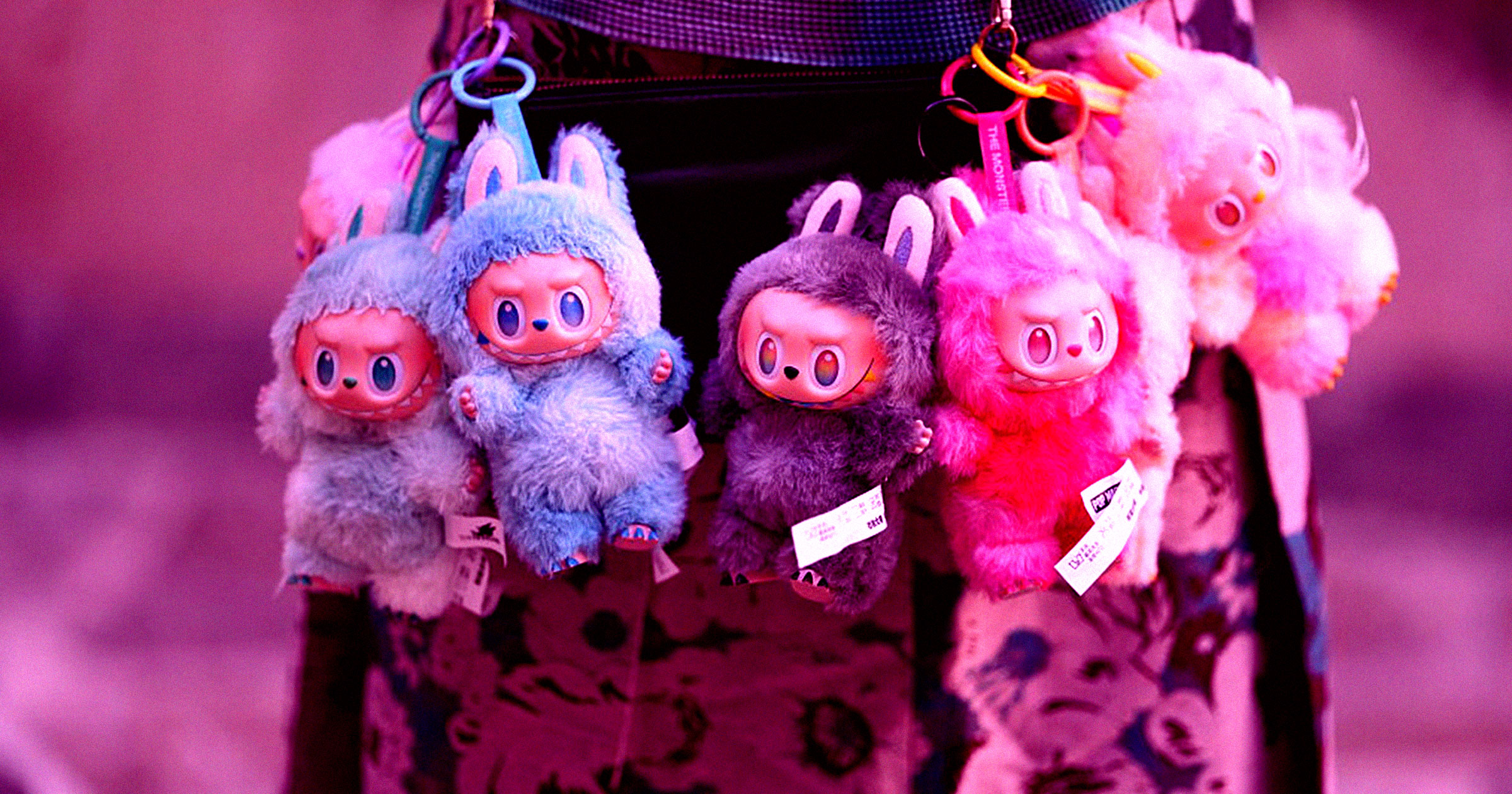
The popularity of the plush toy known as Labubus has skyrocketed, with some models fetching resale prices as high as $10,000. However, a recent investigation raises serious concerns about the labor practices behind their production. According to a report from China Labor Watch (CLW), the manufacturer Pop Mart is accused of exploiting young workers, including 16- and 17-year-olds, at its factory in Jiangxi Province.
These allegations highlight significant labor rights violations, including the employment of minors without the necessary protections mandated by Chinese law. The CLW’s findings suggest that these young workers lack adequate health and safety training, contributing to a hazardous work environment. The factory, which employs over 4,500 individuals, is a key supplier for Pop Mart’s Labubus line.
In a press release, CLW detailed their investigation, which included on-site interviews and a review of documents. The group reported several troubling issues, such as the absence of a labor union and effective grievance mechanisms. Furthermore, there are allegations of management bullying and verbal sexual harassment. Many underage workers reportedly did not fully understand the contracts they signed and were unclear about their legal rights.
The situation has prompted CLW to urge Shunjia Toys, the Original Equipment Manufacturer operating the factory, to take immediate action. The organization is calling for fair compensation for the workers and compliance with both Chinese labor laws and internationally recognized labor standards.
This is not the first time Chinese manufacturers have faced scrutiny over labor practices. Numerous companies have been implicated in accusations of child labor, and reports of forced labor in the Xinjiang region affecting the Uyghur population have raised further alarm.
Despite these serious allegations, Pop Mart continues to thrive. The company’s revenue has surged, with an increase of over 1,200 percent in sales of plush products last year. Pop Mart is projected to meet its revenue goal of more than $4 billion by 2025, primarily driven by the Labubu craze.
As collectors and fans of the Labubus franchise celebrate their acquisitions, it is crucial to consider the potential human cost associated with these popular toys. The investigation raises important questions about the ethical implications of consumer choices in the face of labor exploitation.
Both Shunjia Toys and Pop Mart have not yet responded to requests for comment from the media, including The Guardian and the BBC. As this story unfolds, it emphasizes the growing need for transparency and accountability within global supply chains.