
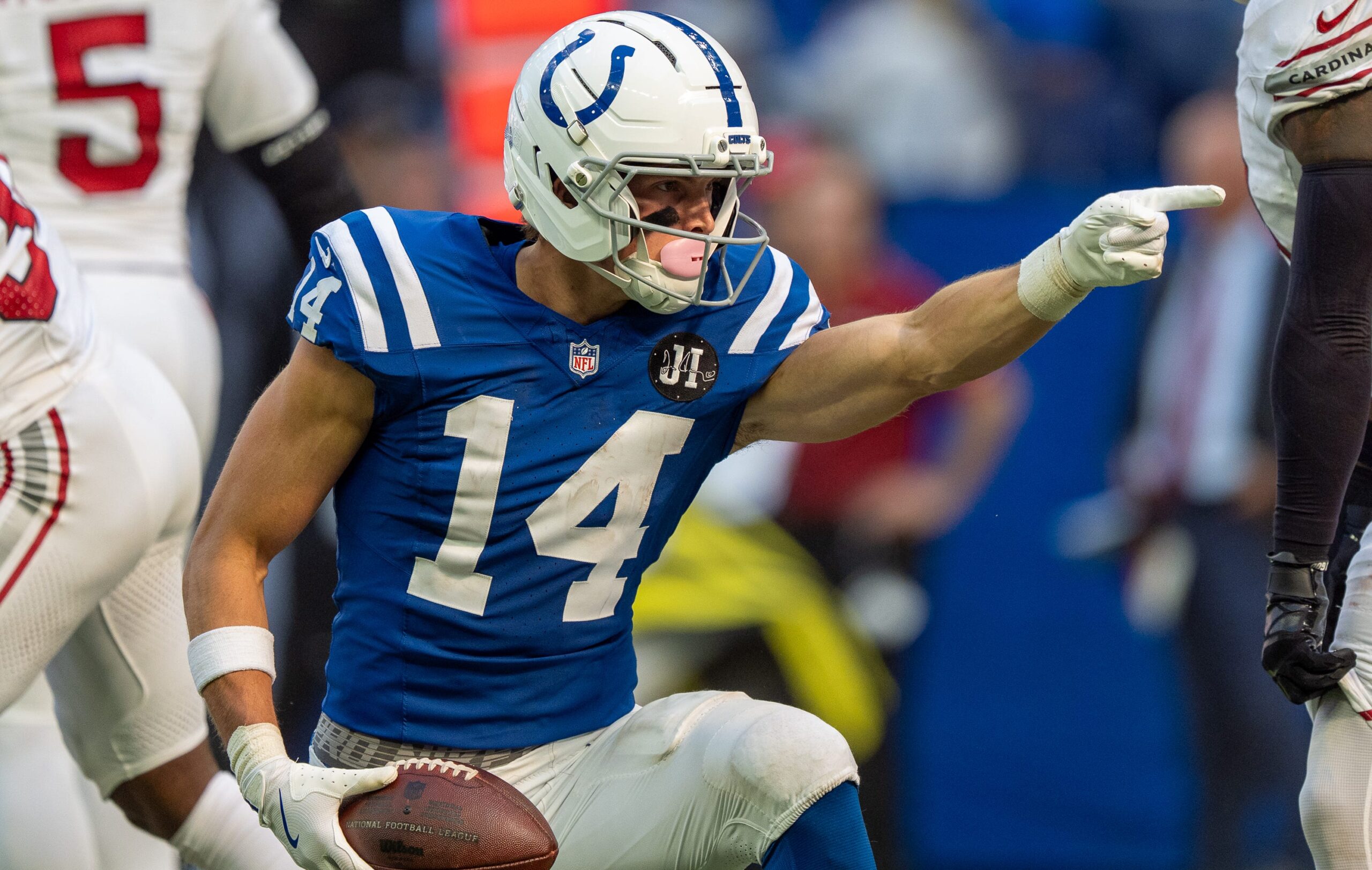
Alec Pierce’s recent contract with the Indianapolis Colts incorporates a strategic financial structure that enhances the team’s salary cap flexibility for 2026. This design includes a void year, which effectively spreads out Pierce’s cap hit, allowing the Colts to optimize their budget for future player acquisitions and roster management.
The NFL has specific salary cap regulations that teams must navigate, and Pierce’s contract reflects a growing trend among franchises to manage their financial commitments creatively. By including a void year, the Colts will reduce Pierce’s cap hit in 2026, enabling them to allocate funds to other critical areas of the team.
Detailed Contract Structure
Reports indicate that Pierce’s deal is structured to include an initial signing bonus along with a base salary that will incrementally increase over the years. The addition of a void year essentially allows a portion of the cap hit to be deferred, thereby easing the financial burden in the short term. This approach not only grants the Colts immediate relief but also positions them for a more robust roster in subsequent seasons.
In practical terms, this means that instead of facing a hefty cap hit of approximately $1 million in 2026, the Colts can spread that cost over multiple years. As teams strive to balance competitiveness with financial sustainability, such contract structures are becoming increasingly popular across the league.
Implications for the Colts
For the Indianapolis Colts, this move is significant as they prepare for the upcoming seasons. The ability to manage cap space effectively is crucial in the highly competitive environment of the NFL. By adopting this innovative contract structure, the Colts can consider additional player signings or extensions without jeopardizing their long-term financial health.
Ultimately, the design of Alec Pierce’s contract not only reflects his value to the team but also demonstrates the Colts’ forward-thinking approach to roster management. As the team looks to strengthen its position in the league, this deal could serve as a blueprint for future contracts, emphasizing the importance of strategic financial planning in professional sports.
With the NFL’s evolving landscape, teams that can adeptly maneuver their salary cap will likely find themselves in a favorable position as they vie for championships.