
Alaska is bracing for significant federal funding cuts that could severely undermine its ongoing battle against rising overdose deaths. Proposed by the Trump administration, these cuts could reduce funding for law enforcement and public health agencies by more than $100 million, including a projected 35% reduction to the state’s High Intensity Drug Trafficking Area (HIDTA) funding. This situation has alarmed local leaders and health experts, as Alaska continues to experience high rates of overdose fatalities, contrasting with a national decline.
Anchorage Police Chief Sean Case emphasizes that resources to combat drug trafficking are essential. “I think the stakes are a lot higher right now just because of the high number of overdoses that we’re having,” Case stated. Alaska has not yet observed a sustained decline in overdose fatalities, and the potential cuts pose a direct threat to measures that save lives and limit drug inflow. The HIDTA program, established to assist local and tribal law enforcement in combating drug trafficking, has been vital for Alaska.
Federal priorities have shifted towards international drug enforcement, as seen in the administration’s military actions against cartels in Venezuela. Yet, fentanyl, responsible for approximately 66% of overdose deaths in the U.S. from 2023 to 2024, remains a critical issue within Alaska. The focus on foreign operations raises concerns about the lack of attention on domestic issues, where fentanyl is increasingly accessible.
Alaska faces unique challenges in drug interdiction. The state’s vast geography complicates law enforcement efforts. Cornelius Sims, commander of the drug unit for the Alaska state troopers, noted that only 27 officers are dedicated to drug enforcement across an area twice the size of Texas. Many remote areas lack police coverage entirely, further complicating efforts to combat drug trafficking.
HIDTA has been instrumental in coordinating drug enforcement efforts across the state, improving success rates in drug interdiction. “Over the last two years, we’ve had the highest success rate of drug interdiction than we’ve ever had before,” Case remarked, noting that collaboration with federal partners has been essential for tackling larger trafficking operations.
As funding for HIDTA hangs in the balance, the implications for remote communities could be dire. “It doesn’t take a lot of drugs to enter villages to have a devastating impact,” Case warned, highlighting the vulnerability of rural areas to drug-related crises.
The proposed federal budget cuts also extend to Medicaid, which provides healthcare to over 211,000 Alaskans. Changes in Medicaid eligibility could jeopardize access to treatment for individuals with substance use disorders. Richard Frank, a senior fellow at the Brookings Institution, explained that the new requirements could disqualify many individuals seeking treatment, exacerbating the overdose crisis.
The recent “big, beautiful bill” that passed Congress is projected to cut Medicaid by $911 billion over the next decade. This legislation, which received bipartisan support, is expected to limit access to critical addiction treatments for vulnerable populations. According to Frank, while there are exemptions for individuals struggling with addiction, navigating the bureaucratic landscape could prove challenging for many.
Local treatment facilities, such as the Anchorage Recovery Center, are expanding their services, but funding cuts could undermine these efforts. Sam Garcia, senior clinical outreach coordinator, described plans for a comprehensive recovery campus that would provide nearly 200 recovery beds. Such facilities rely heavily on Medicaid reimbursement to operate effectively.
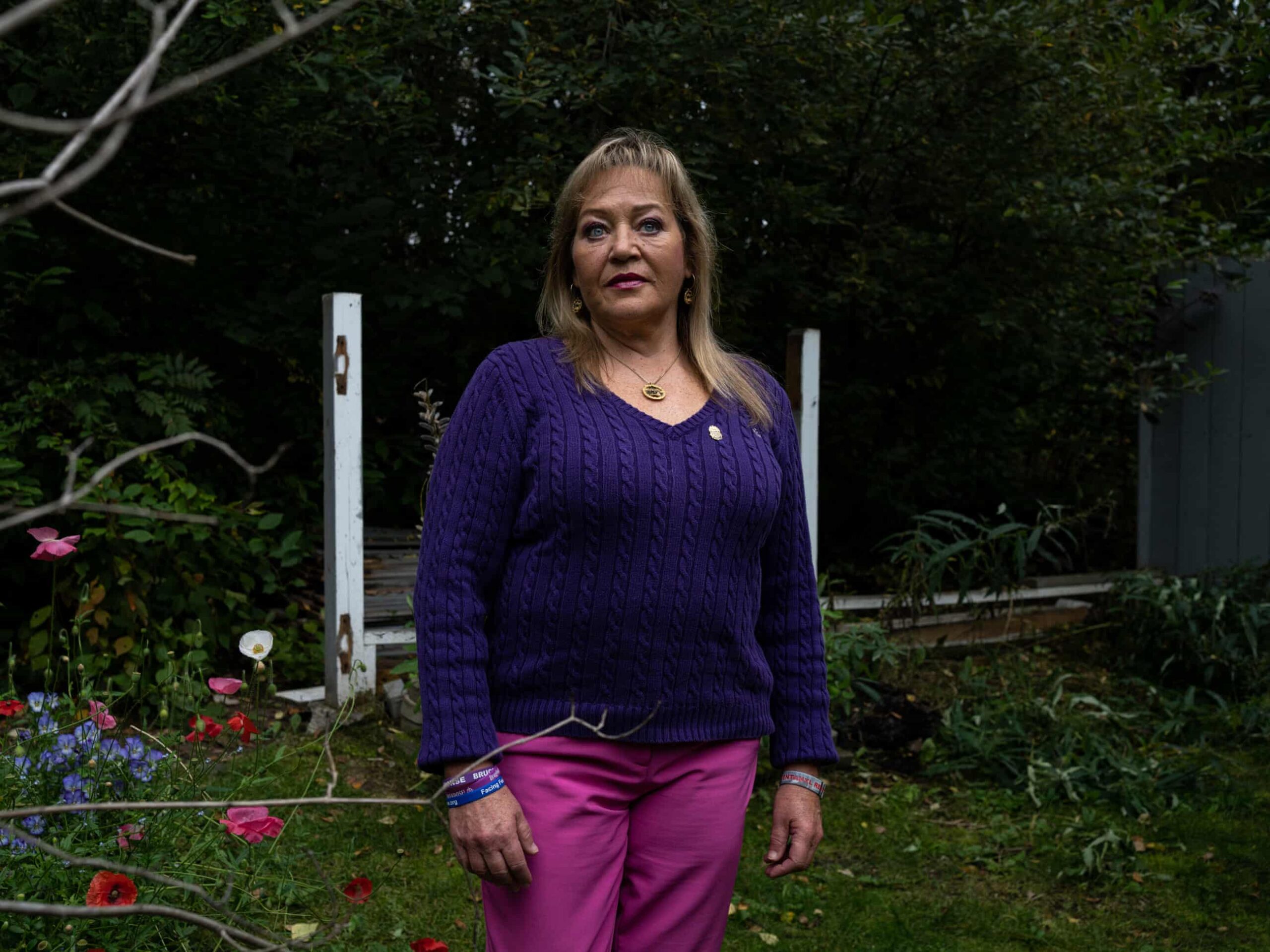
Activists like Sandy Snodgrass, who lost her son to a fentanyl overdose, have been vocal about the need for continued support. She has received HIDTA funding to promote fentanyl awareness in Alaska, advocating for increased resources rather than cuts. “It’s just going to take a lot of work from law enforcement,” Snodgrass remarked, stressing the urgency of the situation.
In response to concerns, Case and fellow police chiefs have reached out to Alaskan senators Lisa Murkowski and Dan Sullivan, urging them to oppose the funding cuts. Sullivan’s office indicated that he has fought to maintain HIDTA’s budget structure, but the future of funding remains uncertain.
As Alaska navigates these challenges, community leaders and advocates continue to push for solutions. Snodgrass, despite her ambivalence towards some federal policies, remains hopeful, especially after the signing of Bruce’s Law, which aims to raise awareness about fentanyl dangers. “We’ve got a long road to go, so I’ll keep going,” she asserted.
The situation in Alaska underscores the critical intersection of federal policy, public health, and community safety as the state grapples with a persistent overdose crisis. Without adequate funding and support, the progress made in combating drug trafficking and overdose deaths may be at risk.