
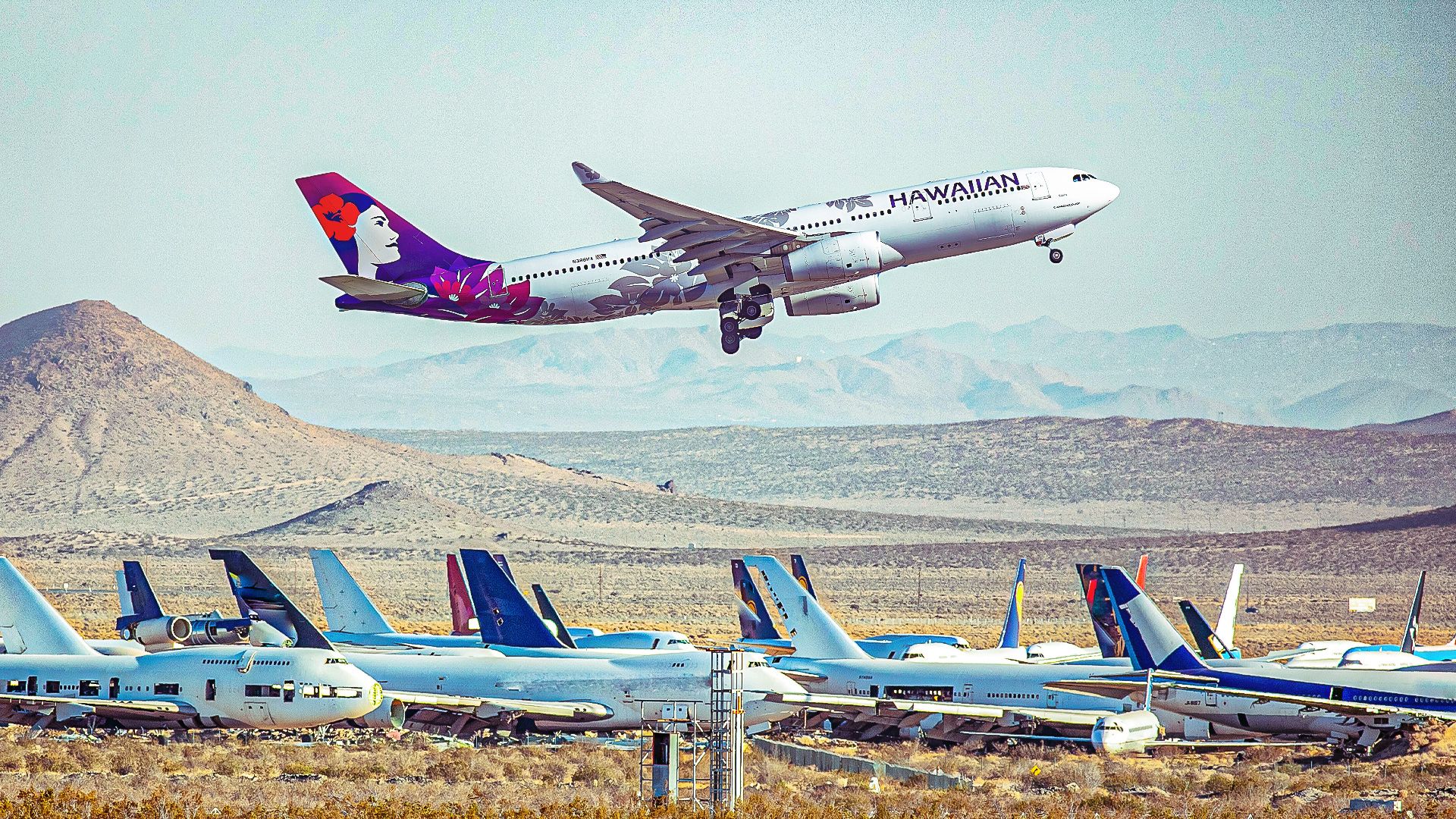
The merger between Hawaiian Airlines and Alaska Airlines, finalized in 2024, has raised questions about the future of Hawaiian’s fleet of Airbus A330-200 aircraft. Both airlines, while retaining separate brands, now share leadership, influencing critical decisions in route networks, fleet planning, and long-term strategy. This significant partnership could reshape the operations of both carriers, especially regarding Hawaiian’s long-haul capabilities.
As the two airlines navigate their new relationship, the fate of the A330-200s, which have been integral to Hawaiian’s long-haul services, remains uncertain. The A330-200 model has been a workhorse for the airline, facilitating flights between Hawaii and various destinations across the mainland United States and beyond. With the merger, a strategic review of fleet requirements is expected, potentially impacting the operational future of these aircraft.
The A330-200 has been known for its reliability and efficiency in long-distance travel. However, the evolving landscape of the airline industry, marked by fluctuating fuel prices and shifting passenger demand, necessitates a reevaluation of existing fleets. Alaska Airlines, already known for a more extensive domestic network and modern fleet, may look to integrate or phase out older aircraft models like the A330-200 in favor of newer, more fuel-efficient options.
Hawaiian Airlines has historically prioritized its unique connectivity to the Pacific region. The A330-200 has played a vital role in maintaining those links, but as the airlines reassess their operational strategies, it is crucial to consider how these aircraft fit into the broader picture. The merger aims to enhance operational efficiency and expand route networks, which could lead to a shift in fleet composition.
In the coming months, both airlines will likely conduct thorough assessments of their fleets to determine which aircraft best align with their strategic goals. While Hawaiian Airlines remains committed to serving its core markets, the integration with Alaska Airlines may accelerate the transition to a more modern fleet.
As discussions continue, stakeholders and aviation enthusiasts alike will be watching closely to see how this merger influences fleet decisions. The future of the Airbus A330-200s not only reflects the operational priorities of Hawaiian Airlines but also highlights the complexities of merging two distinct airline cultures and operational strategies.
Ultimately, the path forward will be shaped by a combination of market demands, operational efficiencies, and the vision set forth by the leadership of both airlines. As they carve out a new identity in the competitive airline landscape, the decisions made regarding the A330 fleet will play a pivotal role in determining the future of Hawaiian Airlines and its long-haul operations.