
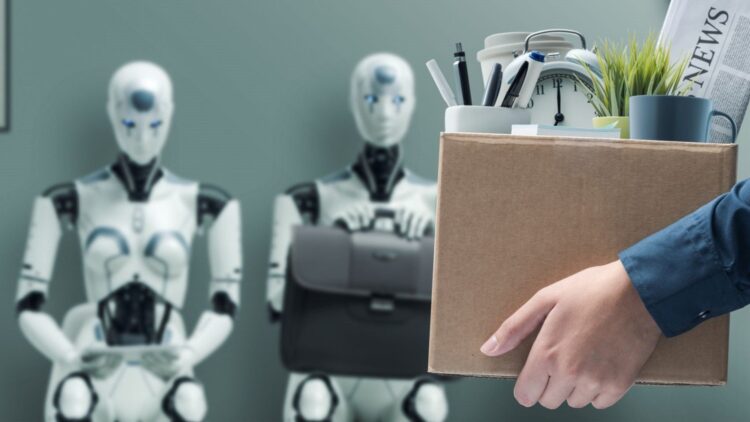
The rapid integration of artificial intelligence (AI) into the workplace has raised significant concerns about job security across various sectors. Although AI is transforming industries, a recent analysis, confirmed by experts from OpenAI and various labor organizations, highlights specific roles that are less likely to be replaced by AI technology.
According to insights from technology experts, the key to job security in the age of AI lies in the application of cognitive, social, and emotional skills. These uniquely human attributes are essential in roles that require creativity, ethical judgment, and interpersonal interaction, areas where AI currently lacks competency.
Key Insights on AI and Employment
As AI continues to evolve, the question arises: which professions can withstand its advancement? Experts argue that jobs requiring complex human interactions and emotional intelligence are more resistant to automation. The most recognized language model, ChatGPT, provides valuable insights into the types of roles that remain secure.
Among those highlighted, professions in the creative and artistic fields stand out. While generative AI can produce content based on user prompts, it is not equipped to lead artistic projects or make the nuanced choices that human artists, writers, and designers do. As reported by Forbes, the creativity involved in artistic processes cannot be fully replicated by AI.
Specialized trades and hands-on jobs also fall into the category of roles less vulnerable to AI replacement. These positions require real-time problem-solving skills and practical knowledge that AI cannot replicate. Experts emphasize that tasks involving intricate physical work, such as plumbing or electrical repairs, demand human dexterity and judgment.
The Future of Leadership and Ethical Jobs
AI may serve as a supportive tool in leadership, strategic decision-making, and management roles; however, it cannot replace the human element required for these tasks. According to Psychology Today, while AI can automate routine activities, the responsibility for strategic choices must remain with humans.
Jobs that necessitate ethical reasoning, empathy, and social understanding—such as social workers, geneticists, and community service roles—are deemed irreplaceable by AI. These professions require a level of human connection and ethical responsibility that AI systems cannot emulate.
Although fields like digital marketing, cybersecurity, and data analysis are often viewed as susceptible to AI disruption, experts suggest that these roles will instead evolve. Mike Bechtel, Director of Futurology at Deloitte, states, “It’s not about robots looking for work, but about tools that transform the world faster and better.” This perspective indicates a shift in how these jobs will operate, rather than a complete takeover by AI.
As the presence of AI continues to grow, understanding which jobs remain secure is crucial for both workers and employers. The emphasis on human skills and attributes underscores the importance of adaptability in the evolving job market. With the right combination of skills, many professionals can find ways to thrive alongside advancing technology.