
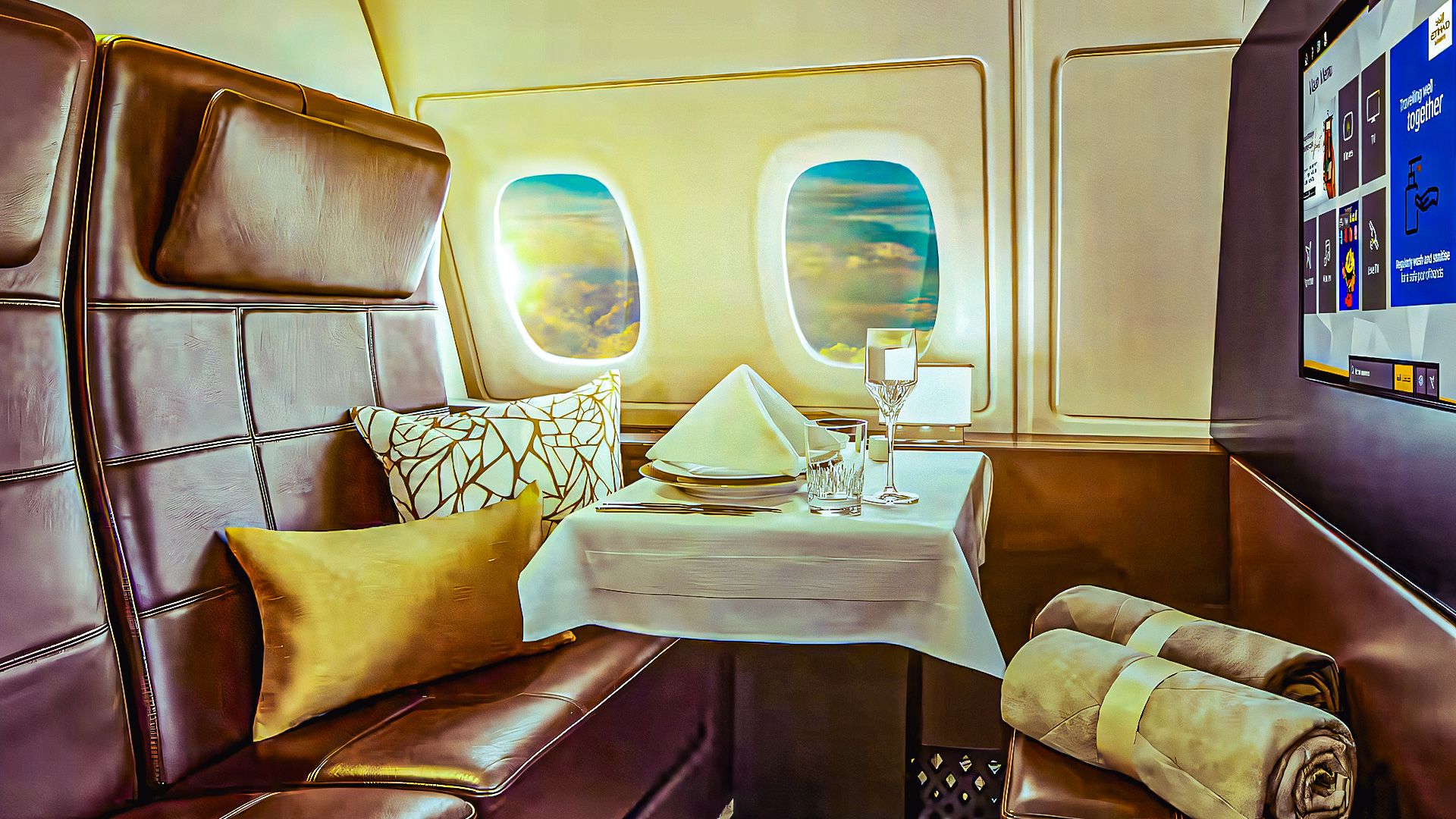
In 2026, airlines are redefining luxury travel with first-class suites that emphasize exclusivity over mere comfort. The focus has shifted towards providing an ultra-premium experience characterized by private doors, separate beds, and intimate cabin environments. This evolution is reshaping how airlines compete for high-paying passengers, where exclusivity is not just a matter of price but also involves aircraft type, routes, and tailored ground services.
Airlines like Emirates continue to set benchmarks in this arena, offering an opulent experience that includes private suites and flagship lounges. Meanwhile, Singapore Airlines is enhancing its A380 private suites, making them a destination in their own right. Air France is elevating its La Premiere service with a new suite featuring five windows, while Lufthansa introduces its Allegris product to compete in the European market. Etihad Airways remains notable for its extravagant Residence suite, which pushes the boundaries of first-class offerings.
For frequent flyers, the overall journey is becoming more crucial than the cabin itself. Factors like airport transfers, lounge access, and consistent service quality are pivotal in determining a winner in this segment. As airlines navigate this shrinking yet captivating market, they are compelled to blend luxury hospitality with engineering and branding to justify the high costs associated with first-class cabins.
Understanding the Role of First Class in Modern Aviation
Despite a general industry trend towards prioritizing business-class offerings, first-class cabins still serve essential functions. They anchor pricing strategies, enhance brand positioning, and cater to a select group of travelers willing to pay for privacy and personalized service. Although premium traffic constitutes a minority of passengers, it generates a disproportionate share of revenue. This financial significance explains why airlines are keen to protect their first-class offerings.
Carriers like Air France have strategically positioned their 2025 La Premiere relaunch to attract customers who might otherwise consider chartering private jets. First-class cabins are often tailored to specific markets and aircraft, reflecting the reality that not all routes and hubs can support such high-end demand. As Lufthansa describes, their first-class offerings are “rightsized in scale and exceptional in quality,” emphasizing the importance of profitable differentiation and customer loyalty.
The Pinnacle of Luxury: Etihad Airways’ The Residence
When discussing the most luxurious product in commercial aviation, Etihad Airways’ Residence on the Airbus A380 stands out. This ultra-premium suite redefines air travel with its multi-room configuration that includes a private bedroom, ensuite shower room, and a separate living area. According to CN Traveller, the Residence transforms air travel into an apartment-like experience, complete with concierge services that enhance the overall journey.
The defining luxury of the Residence lies in its privacy. It features a closing door, a true bed in a separate room, and a shower—elements that are rare in the industry. However, the exclusivity comes at a cost, as the Residence is available only on select routes, making booking dependent on aircraft assignment. This scarcity adds to its allure, positioning it as the closest alternative to a private jet experience within commercial aviation.
Emirates Dominates First-Class Offerings
Among global carriers, Emirates leads in the number of international first-class flights, boasting approximately 26,800 first-class seats scheduled weekly. This extensive inventory reflects Emirates’ strategy to leverage Dubai as a global hub while maintaining first-class as a signature product across its long-haul network.
Emirates’ first-class experience is not confined to a single cabin; it encompasses a range of flagship experiences. On the Airbus A380, the airline offers 14 private suites arranged in a 1-2-1 layout, complete with an Onboard Shower Spa and access to a lounge, reinforcing its image as a flying hotel. Additionally, the Boeing 777 features six fully enclosed first-class suites that prioritize privacy and comfort.
Other notable first-class products include those from Singapore Airlines, which has been recognized for its exceptional service and catering. The airline’s A380 Suites have received accolades for their luxurious design and unique meal options through the Book the Cook service. Meanwhile, Air France’s revamped La Premiere cabin, with its focus on privacy and technology, is emerging as a strong competitor in the European market.
For American travelers, American Airlines offers the closest equivalent to international first-class products with its Flagship First service on the Boeing 777-300ER. This product provides a lie-flat premium suite and top-tier ground services, distinguishing it from domestic offerings by Delta and United Airlines, which have shifted their focus toward business-class products.
As the aviation industry evolves, the future of first-class travel remains uncertain. While some airlines continue to invest in luxurious offerings, others have scaled back or eliminated their first-class cabins altogether. Despite these changes, a select few carriers still cater to high-end travelers, ensuring that the allure of first-class travel endures in a competitive market.