
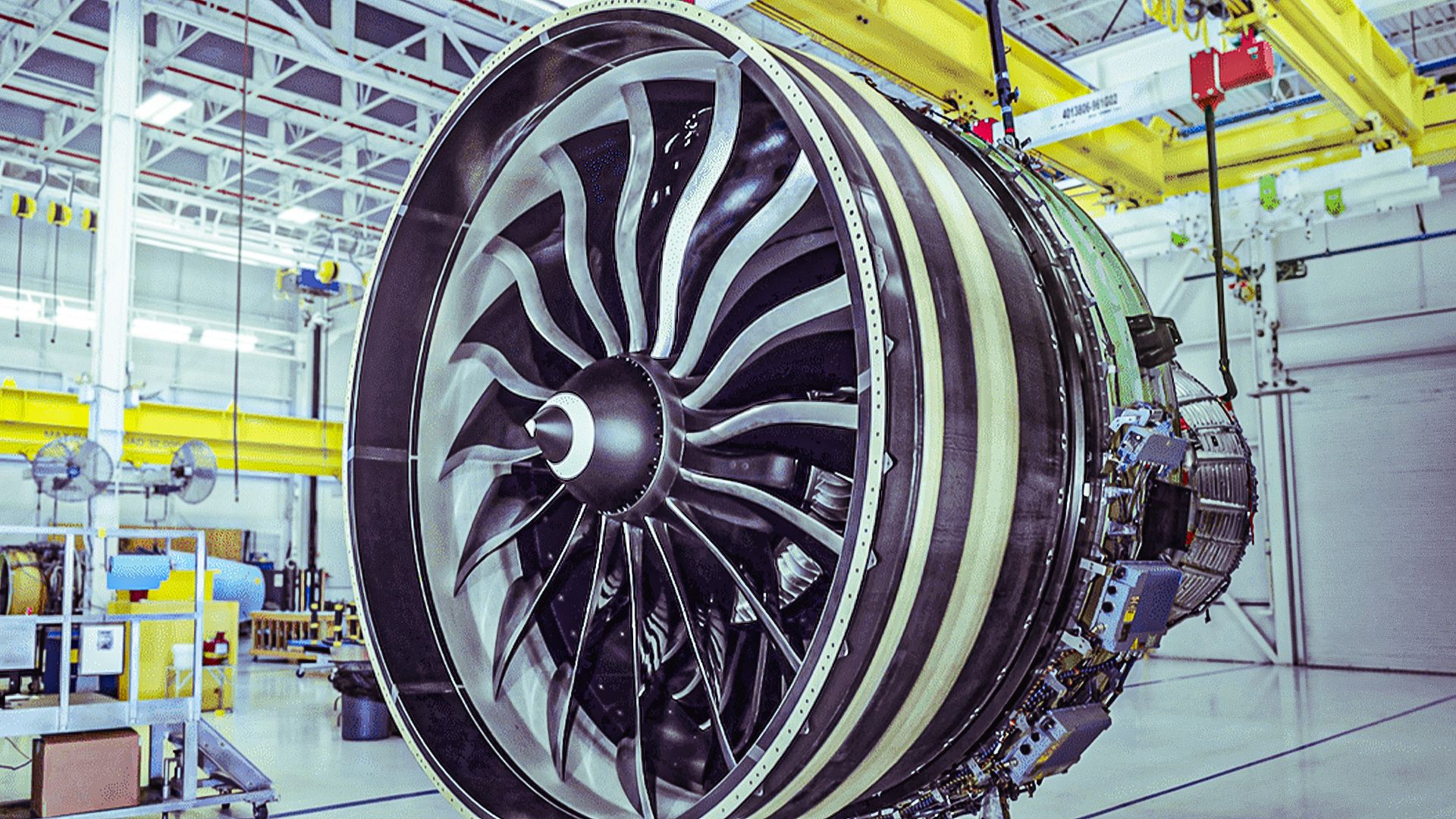
The evolution of aircraft engines has been remarkable since the inception of the Jet Age, which began in the late 1950s. The introduction of the Boeing 707 and the Douglas DC-8 marked a significant turning point in aviation. These aircraft not only surpassed their predecessor, the De Havilland Comet, in size and capability but also set the stage for the widespread adoption of jet propulsion in commercial aviation.
The De Havilland Comet, recognized as the world’s first jet-powered airliner, paved the way for future developments in jet technology. However, it was the Boeing 707 and Douglas DC-8 that truly captured the market’s attention. With their larger frames and advanced systems, these aircraft were instrumental in popularizing the concept of the jetliner.
Over the years, the demand for jet-powered airliners soared, leading to significant production numbers. More than 500 Douglas DC-8s and 1,000 Boeing 707s, including the shorter 720 variant, were sold. This success firmly established jet engines as the preferred choice for large aircraft propulsion, a trend that continues to this day.
Technological Advancements in Engine Design
The increase in engine size has been accompanied by significant technological advancements. Modern aircraft engines are not only larger but also more efficient and environmentally friendly than their early counterparts. New designs incorporate advanced materials and engineering techniques that enhance performance while reducing fuel consumption and emissions.
The evolution of engine technology reflects a broader trend in the aviation industry towards sustainability. Manufacturers are now focusing on developing engines that minimize environmental impact while maximizing power and efficiency. The shift towards larger, more capable engines is a response to both market demands and regulatory requirements for cleaner aviation practices.
The Future of Aircraft Engines
As the aviation industry looks to the future, the size and capability of aircraft engines are expected to continue evolving. Innovations such as electric and hybrid propulsion systems are already being explored, promising to revolutionize how aircraft are powered. These advancements could further increase efficiency and reduce reliance on traditional jet fuel.
In conclusion, the journey from the De Havilland Comet to today’s modern jet engines illustrates the remarkable progress in aviation technology. The pioneering efforts of early jet airliners like the Boeing 707 and Douglas DC-8 laid the groundwork for a new era of air travel, one that prioritizes performance and sustainability. As the industry continues to innovate, the next generation of aircraft engines will likely redefine what is possible in commercial aviation.