
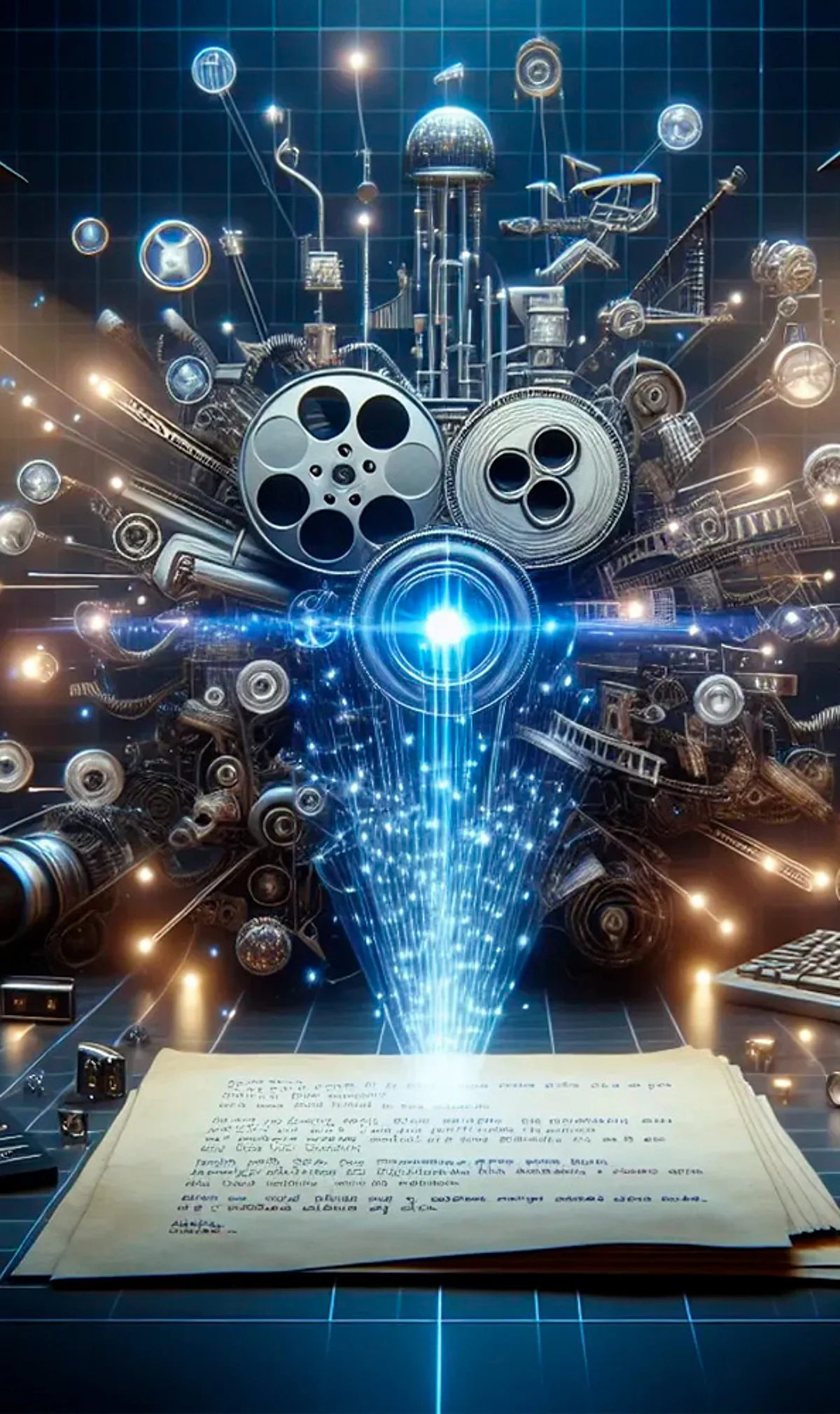
The integration of AI-powered tools is significantly transforming the film industry, enhancing scriptwriting efficiency and reducing costs. As of 2023, Hollywood filmmakers are utilizing these technologies to streamline the development process, leading to a notable shift in how movies are created.
The emergence of AI in scriptwriting has sparked interest across various sectors of the entertainment industry. These tools allow writers to generate ideas, create dialogue, and even plot storylines in a fraction of the time typically required. For example, AI algorithms can analyze successful scripts and generate new content that aligns with current trends. This capability not only accelerates the creative process but also helps filmmakers save on production costs.
One of the main benefits of AI in script development is its potential to democratize the industry. Smaller production companies can now access sophisticated tools that were once reserved for major studios. This shift enables a broader range of voices and stories to be told, fostering diversity within the industry. The Writers Guild of America has acknowledged these advancements, emphasizing that while AI can be a valuable resource, it should complement, rather than replace, the creativity of human writers.
Despite the advantages, the rise of AI in scriptwriting has raised concerns among some screenwriters. Many fear that reliance on automated tools could undermine the artistic integrity of storytelling. The debate continues as industry professionals weigh the benefits of efficiency against the need for authentic, human-driven narratives.
The cost-saving aspect of AI is particularly appealing in an industry often plagued by budget overruns. Filmmakers are finding that utilizing AI can lead to substantial savings, with some estimates suggesting reductions of up to 30% in script development costs. This financial incentive is prompting more studios to explore AI solutions, further embedding these tools into the fabric of filmmaking.
Moreover, AI’s ability to predict audience preferences based on data analytics is proving beneficial. By analyzing viewer trends, filmmakers can tailor scripts to better meet audience demands, potentially increasing box office success. This capability is particularly relevant in an era where understanding consumer behavior is crucial for profitability.
As Hollywood navigates this technological shift, the balance between innovation and tradition will be critical. Industry leaders are calling for guidelines to ensure that the integration of AI enhances creativity without compromising the essence of storytelling. The ongoing dialogue between filmmakers and writers will shape the future landscape of scriptwriting, determining how AI can coexist with human creativity.
Looking ahead, as AI continues to evolve, its impact on Hollywood will likely deepen. The ongoing developments in this space will require stakeholders to adapt, ensuring that the narratives produced reflect the diverse experiences of audiences while harnessing the power of technology. With the potential for rapid advancements, the film industry stands on the brink of a new era, one where AI and human artistry can work together to create compelling stories.