
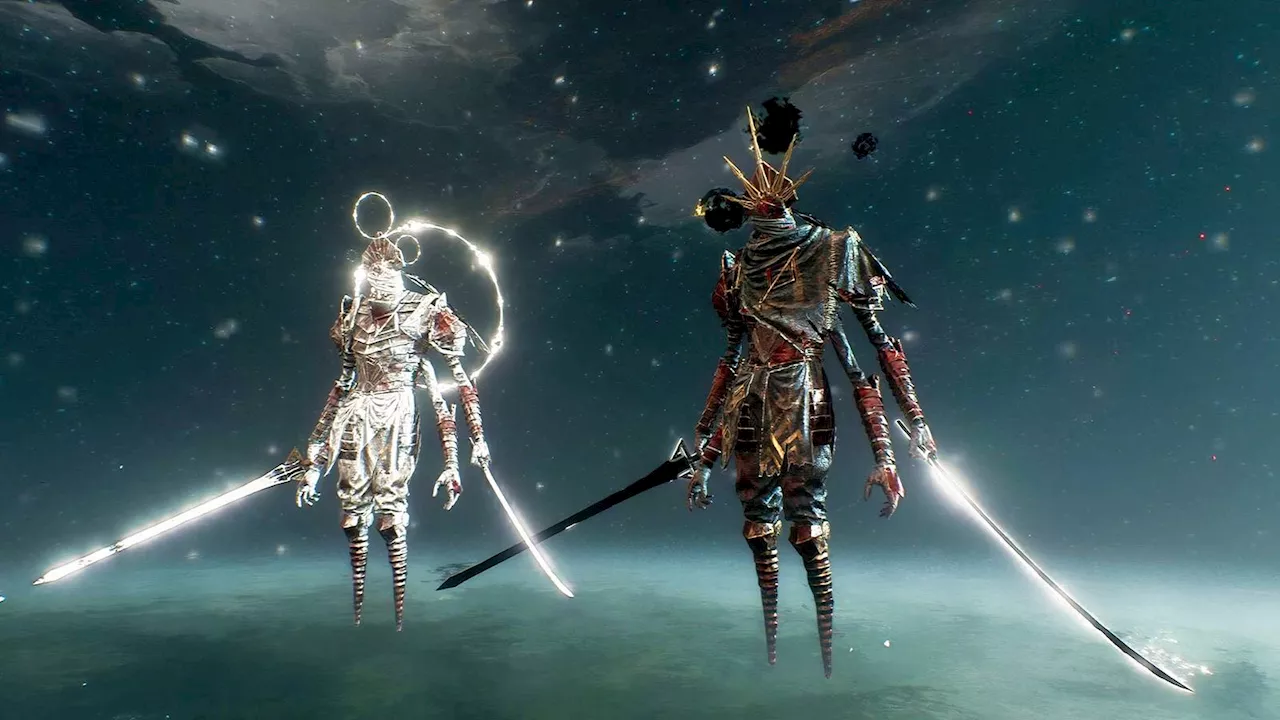
Clair Obscur: Expedition 33, developed by Sandfall Interactive, has become a significant success in the indie gaming world, winning multiple awards at The Game Awards, including Best Art Direction, Best RPG, and Game of the Year in 2025. However, the game’s triumph has sparked a heated debate about the role of artificial intelligence in video game development, particularly following comments made by Swen Vincke, CEO of Larian Studios, regarding the upcoming Divinity project.
Critics have begun to scrutinize Sandfall Interactive’s admission that they utilized AI in a limited capacity during the development of Expedition 33. While the studio stated they employed AI “a little, but not much,” the backlash has intensified since the game’s recent accolades. This criticism appears to be less about the actual use of AI and more about the frustrations some players feel towards the game’s overwhelming success.
The timing of the backlash coincides with a broader discourse on AI’s place in gaming, particularly after Vincke’s statements during The Game Awards, where he emphasized that while there would not be AI-generated content in Divinity, AI tools remain part of their development process. This has led to concerns among gamers regarding the integrity of human creativity in game design.
Despite the controversy, the use of AI in video games is not a simple issue. AI can serve a variety of functions, from generating textures to assisting in programming, without replacing human creativity. Sandfall Interactive has been transparent about its AI usage; early development updates even noted the removal of AI-generated placeholder textures. Nevertheless, the current debate highlights a misconception about AI’s role in creative fields.
As the gaming community continues to grapple with these questions, it is clear that AI is increasingly becoming integrated into development processes. Dismissing these advancements may hinder the evolution of gaming experiences. The current sentiment echoes a broader societal trend where technology and automation are often met with skepticism.
The dialogue surrounding Clair Obscur: Expedition 33 serves as a reminder that the gaming industry is evolving, and players may need to reconsider their perspectives on technological integrations. Embracing these tools could lead to richer gaming experiences, rather than resisting them out of fear.
As both players and developers navigate this complex landscape, the focus will likely remain on how AI can enhance creativity rather than diminish it. The conversation is far from over, and as the industry continues to innovate, the relationship between AI and gaming will undoubtedly evolve alongside it.