
A U.S. Navy admiral overseeing military operations in Latin America has officially transferred command as scrutiny increases over the Trump administration’s controversial strikes on alleged drug trafficking vessels. On October 20, 2023, Admiral Alvin Holsey handed over his leadership role at U.S. Southern Command in Miami to Air Force Lt. Gen. Evan Pettus, following a retirement announcement that surprised many within the military community.
During the ceremony, Holsey did not address the ongoing military operations or the reasons for his premature retirement, which comes just a year into a typically three to four-year posting. Instead, he emphasized the importance of maintaining strong partnerships in the region and encouraged his successor to uphold shared democratic values. “To be a trusted partner, we must be credible, present, and engaged,” Holsey stated.
The admiral’s unexpected departure follows significant public scrutiny regarding the administration’s military actions, which have reportedly resulted in at least 87 fatalities in the Caribbean Sea and eastern Pacific Ocean. These operations have drawn bipartisan concern from Congress, prompting investigations into the legality of the strikes on vessels suspected of drug trafficking.
Holsey’s retirement became public knowledge in October, just after the commencement of the strikes that have sparked outrage and concern not only among lawmakers but also among human rights advocates. In a classified briefing earlier this week, Holsey addressed key lawmakers, including Sen. Jack Reed, the top Democrat on the Senate Armed Services Committee. Reed later remarked that while Holsey answered some questions, many remain unanswered regarding the operations.
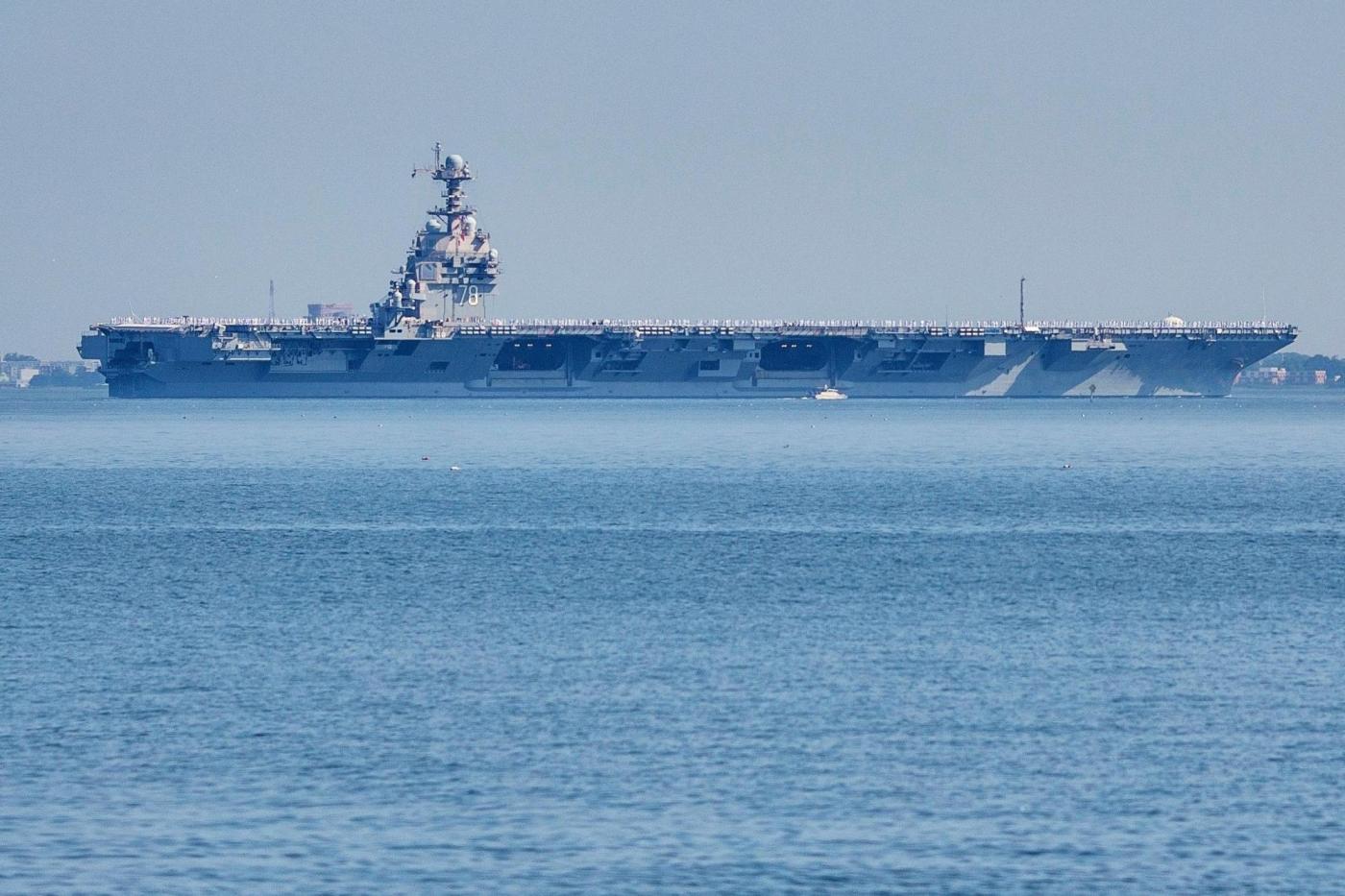
The military campaign has involved a vast deployment of resources, including a flotilla of warships, attack helicopters, and thousands of troops, all aimed at combating drug cartels in the region. Critics assert that the strikes, branded as necessary actions against narcoterrorists, raise serious legal and ethical questions. Historically, suspects caught at sea have been arrested by the U.S. Coast Guard and brought to the United States for prosecution.
The administration’s justification for the increased military presence and aggressive tactics has been rooted in a legal argument that likens the fight against drug cartels to armed conflict, a position that gained traction post-September 11, 2001. This strategy has intensified pressure on Venezuelan President Nicolás Maduro, who faces charges of narcoterrorism in the United States. Recently, U.S. forces seized a sanctioned oil tanker believed to be smuggling illicit crude, a move seen as further destabilizing Maduro’s regime.
Holsey’s farewell ceremony was notably subdued compared to previous retirements, marked by a smaller gathering of mostly Southern Command staff and the absence of Defense Secretary Pete Hegseth, as President Trump has yet to nominate Holsey’s replacement. Gen. Dan Caine, the chairman of the Joint Chiefs of Staff, praised Holsey for his dedication and service but made no reference to the ongoing military operations in Latin America.
As the military faces increased scrutiny and investigations, Holsey’s retirement adds to a growing list of high-profile departures within the Pentagon under Hegseth’s leadership. In the wake of Holsey’s exit, it remains uncertain how long Gen. Pettus, who has experience as a fighter jet pilot and combat veteran, will remain in his new role, as any successor nominated by Trump must go through Senate confirmation.
This transition in command comes at a pivotal moment for U.S. military operations in Latin America, as the administration’s tactics and their implications continue to evolve amid heightened legal and ethical scrutiny.