
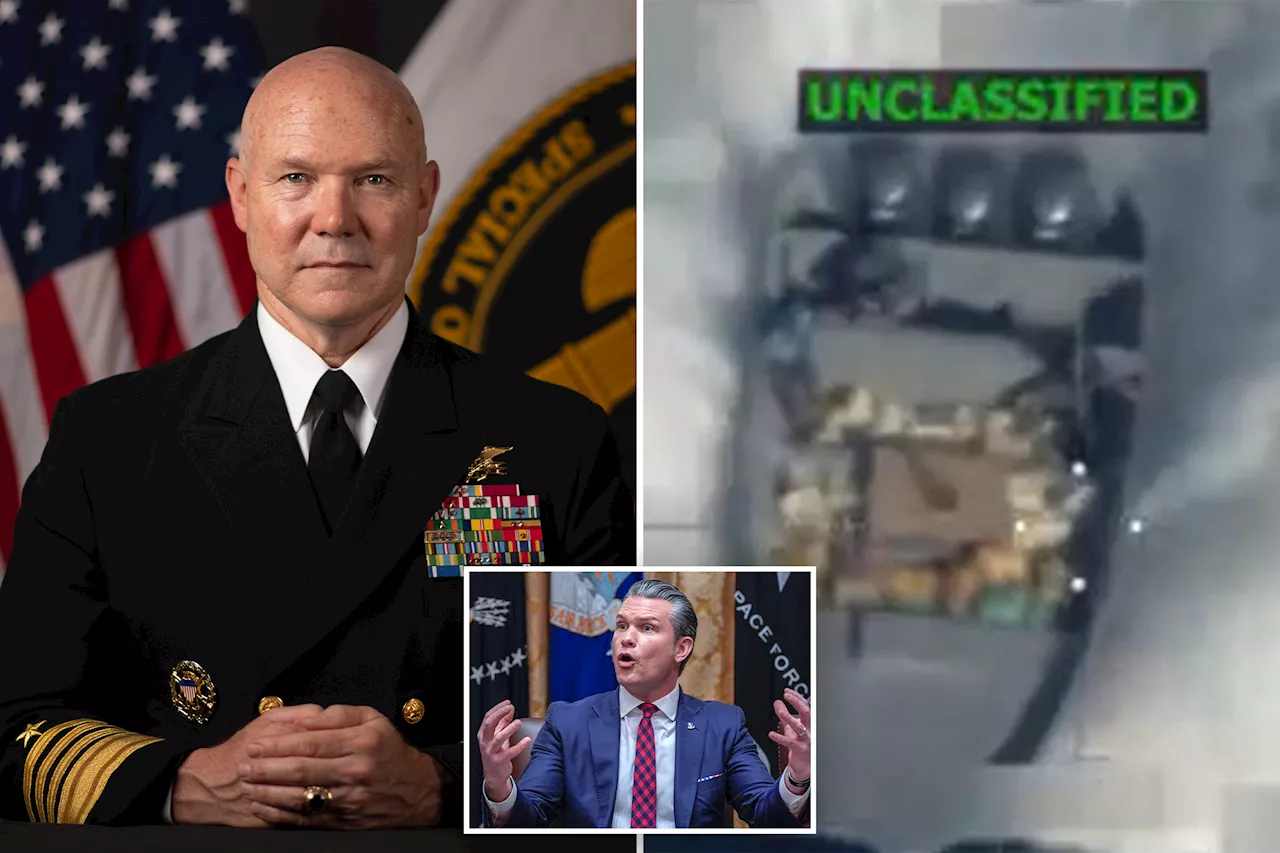
Admiral Frank Bradley, head of the US Special Operations Command, is set to brief lawmakers from the House and Senate on the controversial military strikes conducted on September 2nd in the Caribbean Sea. These strikes targeted a vessel suspected of drug trafficking and resulted in the deaths of 11 individuals, raising serious questions regarding the handling of survivors and adherence to the rules of engagement.
The incident has prompted investigations by both the House and Senate Armed Services Committees, which aim to assess the justification of the military actions taken and to ensure accountability for the operation. Bradley, who authorized both the initial missile strike and subsequent attacks, will explain his rationale during the briefing, particularly regarding the decision-making process that led to the follow-up strikes.
The controversy centers around the treatment of survivors. Reports indicate that initial surveillance footage did not show any survivors, leading to a critical decision by Bradley on whether to classify any potential survivors as combatants or to consider them “out of the fight.” This decision is under scrutiny as it could have significant implications for operational conduct in future military engagements.
Military Operations and Broader Context
The September 2nd incident is part of a larger strategy by the US military to combat drug trafficking in the Caribbean region. Since the operation, the military has reportedly conducted 21 additional missions against suspected drug smugglers, resulting in more than 80 fatalities. President Trump has expressed his support for releasing the full surveillance video of the incident, which could provide further clarity on the events and either validate or challenge the claims made by various parties involved.
The White House has also hinted at the possibility of future strikes, emphasizing a continued commitment to tackle drug trafficking. Trump described the situation as akin to “an act of war,” asserting that drug traffickers are “killing our people” and indicating a proactive stance against those involved in the narcotics trade.
The ethical implications of these military operations are significant, as they raise questions about the use of force, civilian protection, and the responsibilities of military leaders. As the investigations continue, lawmakers will examine the adequacy of training for military personnel on the rules of engagement, particularly regarding the classification of combatants and the treatment of potential survivors.
Implications of Ongoing Investigations
The inquiries initiated by Congress will focus on several key areas, including the interpretation of the rules of engagement and the threat assessment of individuals involved in the operation. Lawmakers aim to understand the intelligence available to Admiral Bradley at the time and the factors that influenced his decisions regarding the strikes.
Furthermore, investigators will evaluate the procedures for handling situations involving potential survivors, scrutinizing the training and guidance provided to military personnel. The outcome of these investigations could lead to changes in military protocol and further examination of the administration’s approach to drug trafficking.
The release of the surveillance video is anticipated to play a crucial role in shaping public perception of the incident. It is expected that the findings will not only impact military operations but also provoke discussions on legal ramifications for those involved in the strikes.
As the situation unfolds, the focus remains on maintaining accountability, ensuring compliance with the laws of war, and upholding the principles of justice and human rights in military engagements. The complexities surrounding this incident highlight the challenges faced by military commanders in modern warfare, particularly when confronting non-state actors in ambiguous conflict zones.