
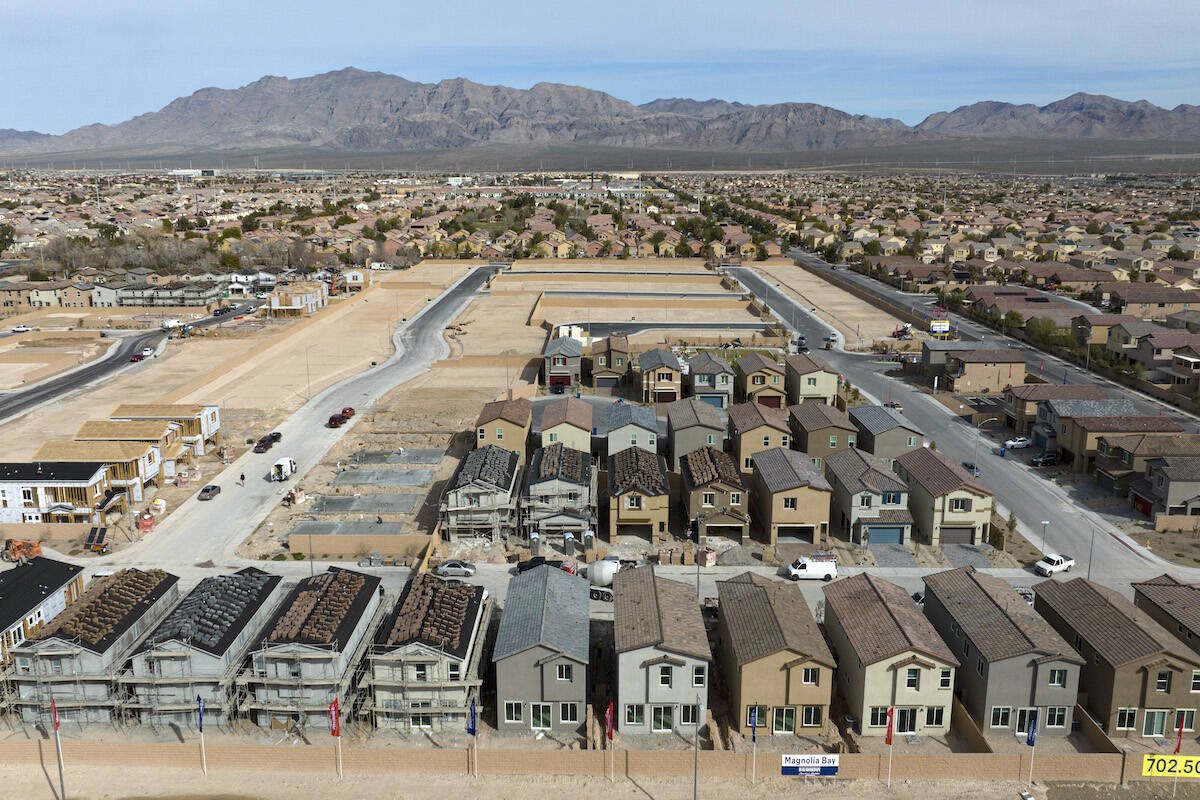
The debate over housing affordability in Nevada has intensified as developers and supporting politicians argue for the need for an additional 23,000 acres of land from the Bureau of Land Management (BLM). However, evidence suggests that land availability is not the fundamental issue affecting housing prices in the state. A decline in home sales, coupled with a lack of affordable options, points to deeper underlying problems.
Recent research published by the Review-Journal indicates that there are still 23,000 acres of buildable land within the Las Vegas Valley. This available land, however, is not concentrated in large parcels that developers often seek. Instead, the land consists of smaller lots that developers may overlook in favor of larger tracts, which can lead to a mismatch between available resources and the types of housing being constructed.
Understanding the Real Issues Behind Housing Costs
Two primary factors contribute to the ongoing housing crisis in Nevada. Firstly, many developers focus on constructing high-end homes that cater to affluent buyers, which exacerbates the affordability issue. With rising construction costs and a focus on maximizing profits, the market is flooded with expensive houses that are out of reach for the average buyer.
Secondly, a significant shortage of rental apartments and affordable condominiums is limiting options for those seeking low-cost home ownership. This lack of available rental properties further strains the housing market, pushing prices higher and limiting affordable options for residents.
The issue is compounded by rising mortgage interest rates. The Federal Reserve’s adjustments to interest rates, aimed at curbing inflation, have made borrowing more expensive for potential homebuyers. According to economic analyses, approximately one-third of the current inflation is a result of fiscal policies implemented by President Joe Biden and the Democratic Congress. They allocated $3.2 trillion to stimulate economic recovery, funding various programs that many view as unrelated to the immediate challenges posed by the pandemic.
As Nevada grapples with these multifaceted issues, it becomes clear that the solution to the housing crisis lies not solely in acquiring more land but in addressing the factors that drive up costs and limit affordable housing options. By shifting focus to more inclusive development practices and stabilizing mortgage rates, stakeholders can work towards creating a more equitable housing market for the residents of Nevada.