
BREAKING: A coalition of 21 Democratic-led states has launched an urgent lawsuit against the Consumer Financial Protection Bureau (CFPB) and its director, Russell Vought, asserting that the White House’s funding restrictions are unconstitutional. This significant legal action comes as the CFPB is on the verge of depleting its funds by January 2024.
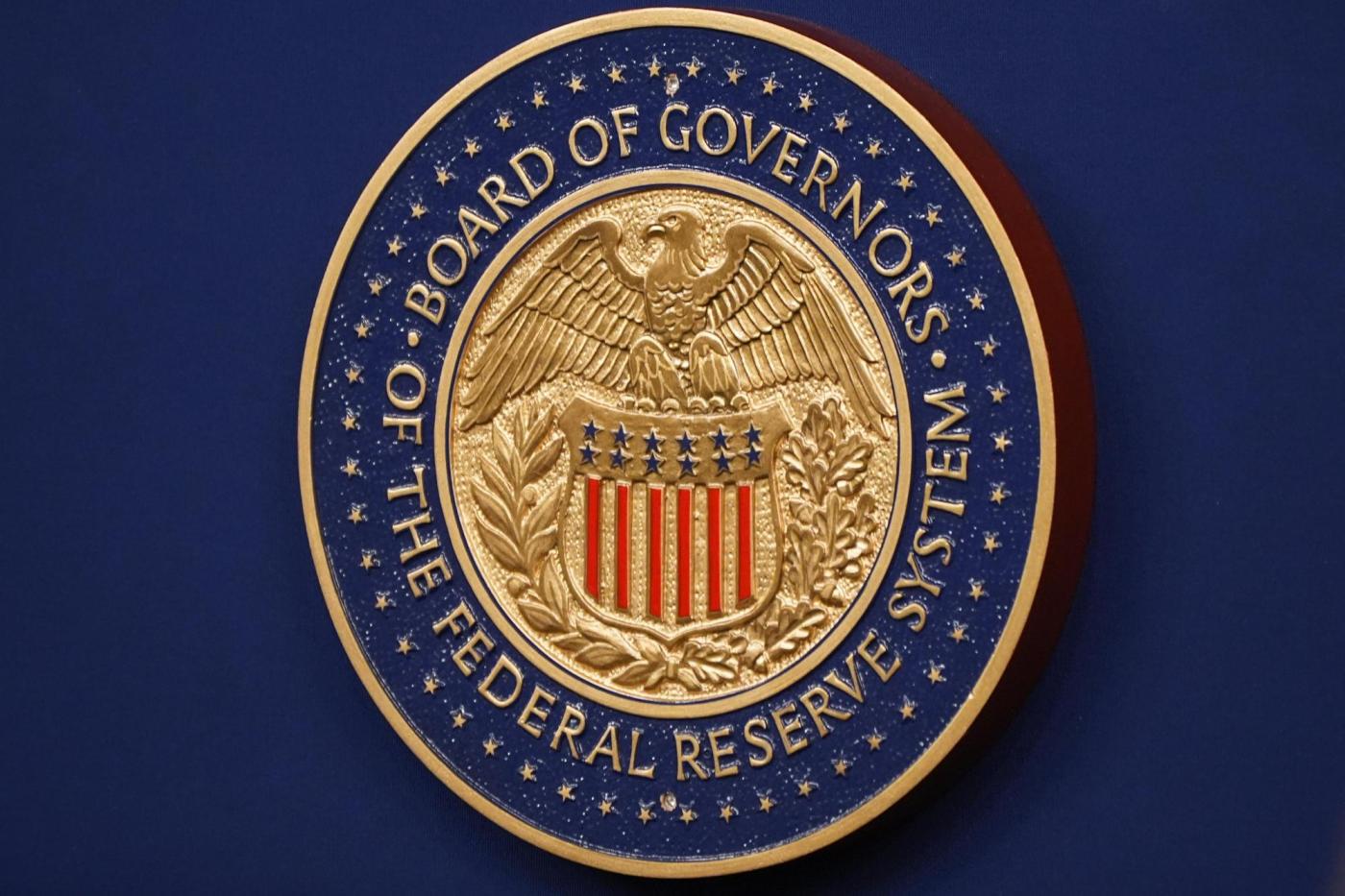
The lawsuit, filed on Monday, challenges the Trump administration’s stance that the CFPB can only receive funding from the Federal Reserve if the Fed has “combined earnings” to allocate. The Federal Reserve has been operating at a loss since 2022 due to rising interest rates, which has created a funding crisis for the consumer protection agency.
Officials argue that the CFPB’s ability to function is critical for protecting consumers against predatory lenders and fraud. New York Attorney General Letitia James emphasized, “Defunding the Consumer Financial Protection Bureau will make it harder to stop predatory lenders, scammers, and other bad actors from taking advantage of New Yorkers.”
The legal battle revolves around the interpretation of the Dodd-Frank Act, which established the CFPB a decade ago. The phrase “combined earnings” has been contentious, with legislators arguing it does not imply a need for actual profits to fund the bureau. The White House’s interpretation is also under scrutiny in a separate lawsuit brought by the CFPB employees’ union against Vought.
If the CFPB’s funding is not restored, it could severely limit its ability to fulfill its mission of consumer protection, leaving many vulnerable to financial exploitation. This lawsuit marks a critical moment in the ongoing conflict over federal agency funding and consumer rights.
As this situation develops, citizens and lawmakers alike will be watching closely, as the implications extend beyond just the CFPB, raising questions about government accountability and consumer advocacy. The outcome could set a precedent for how federal agencies are funded in the future.
Stay tuned for updates on this urgent legal matter as it unfolds.